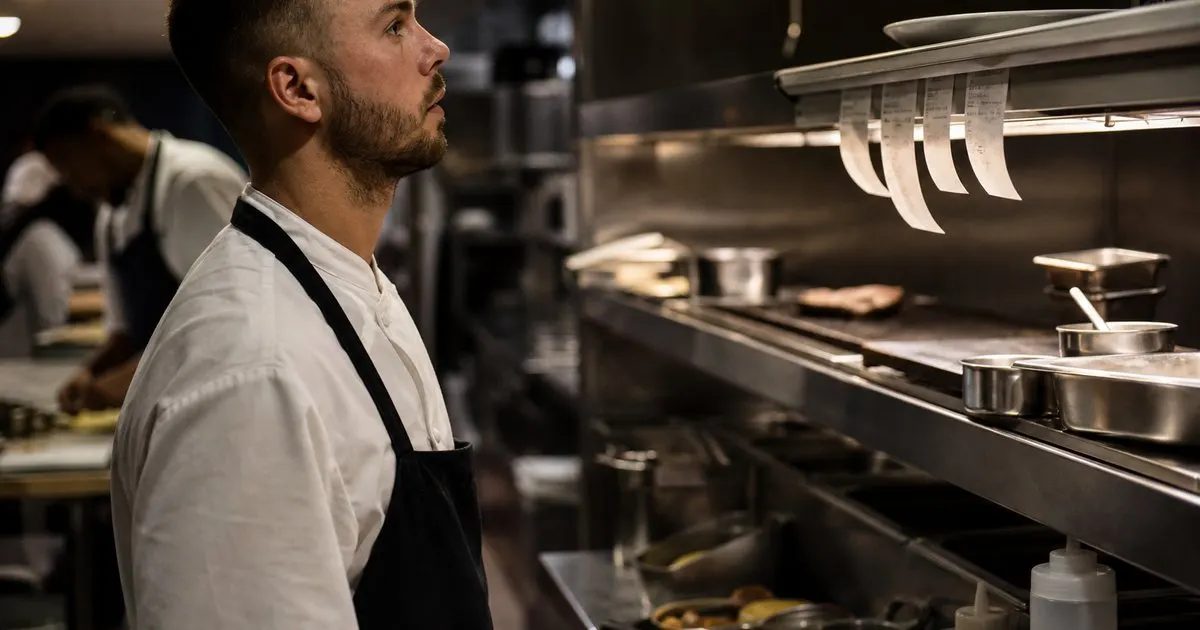
Kitchen Expo and Service
How do you route kitchen tickets to the right stations without chaos?
Turn one long printer queue into clean station work so nothing gets missed on the line.
Practical, honest advice from the team behind PlatePassr, written to help you do this well.
Turn one long printer queue into clean station work so nothing gets missed on the line.
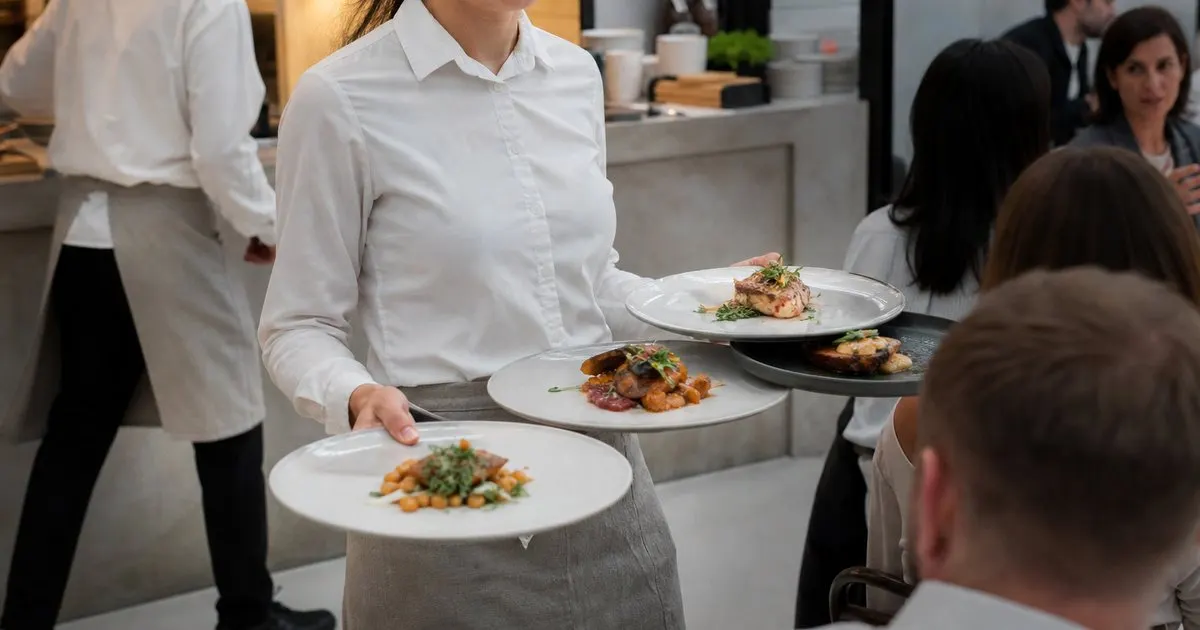
Coordinate the fire so every seat at a table is served in the same window.
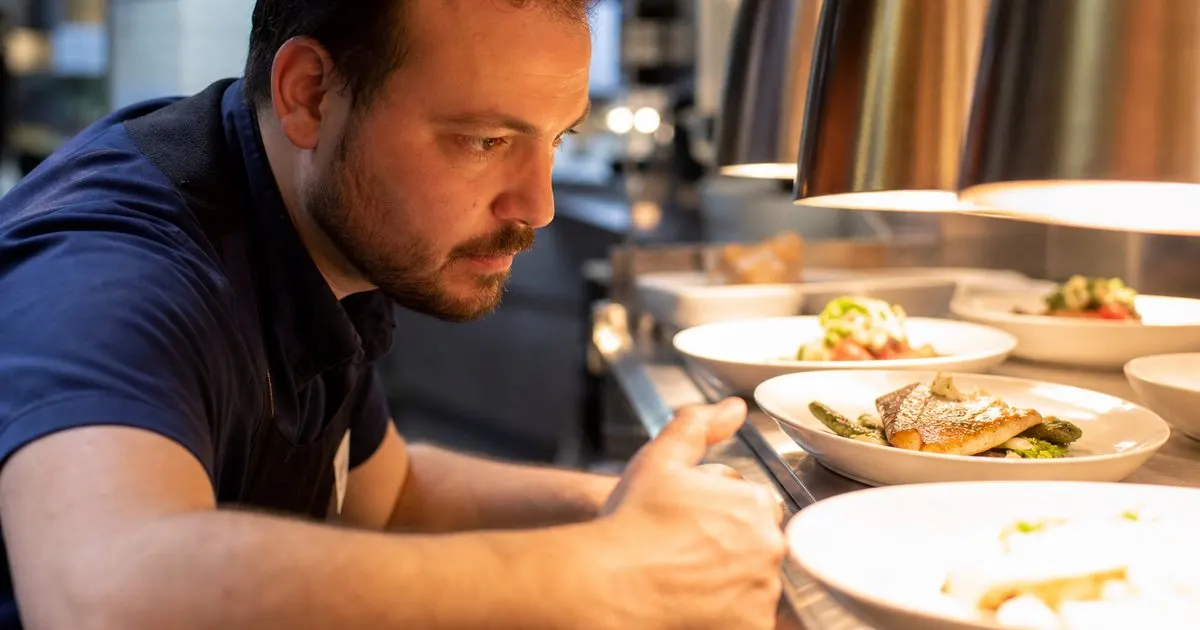
Understand where coordination breaks under pressure and how to hold it together.
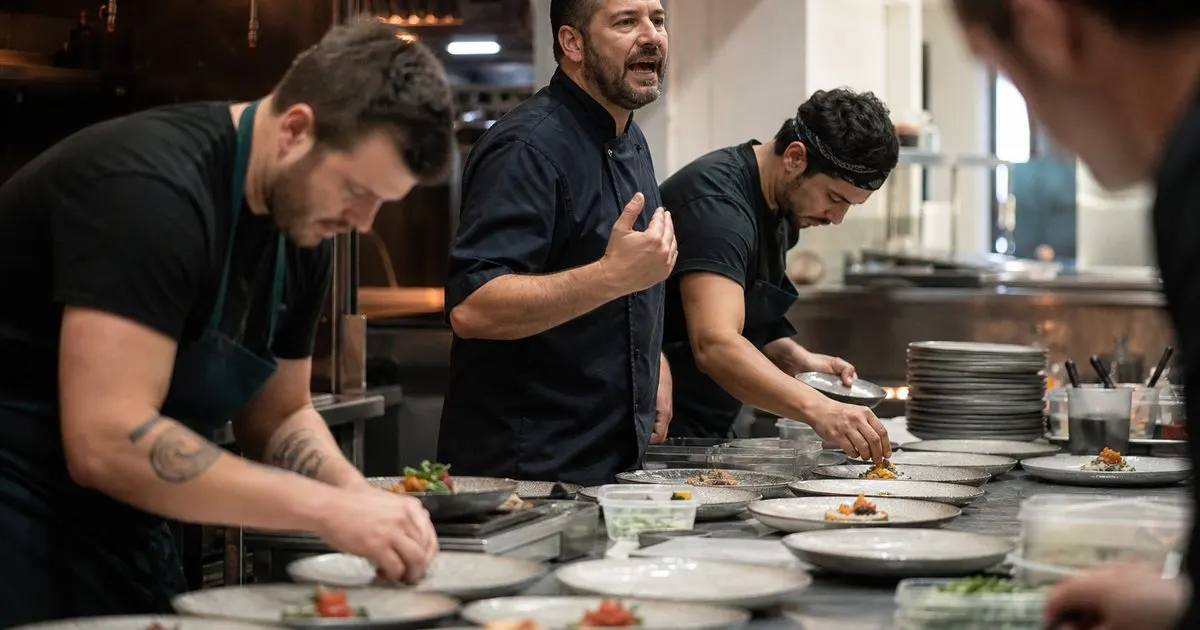
Time the entree fire so a big table is served hot and together.
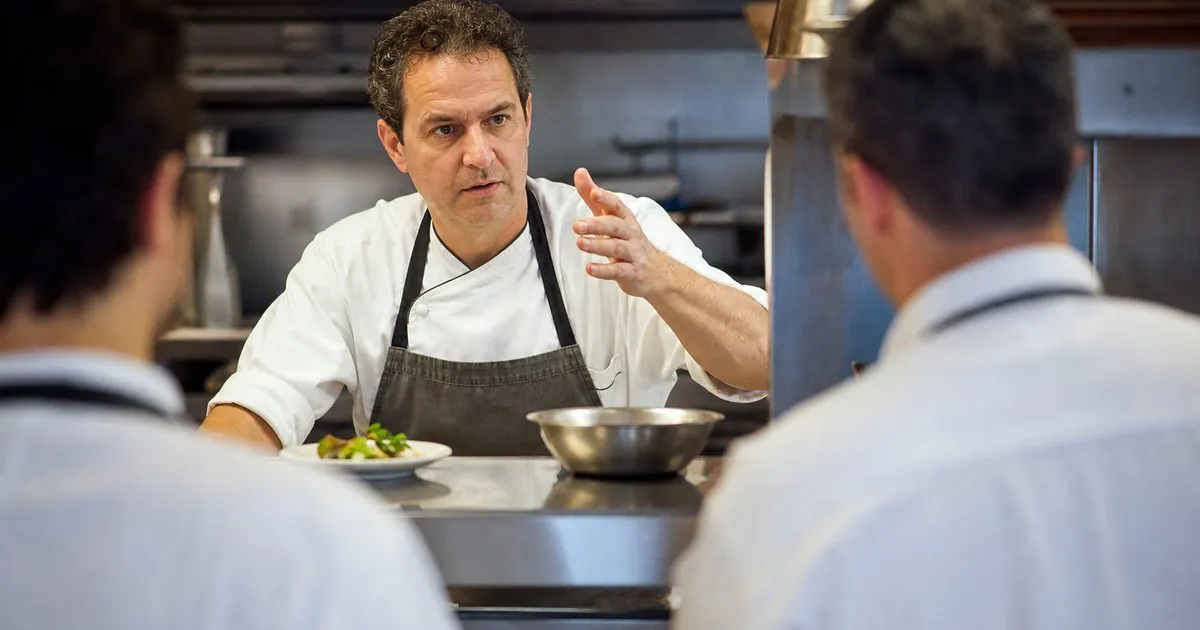
Define the expediter role so the pass has a clear leader every service.
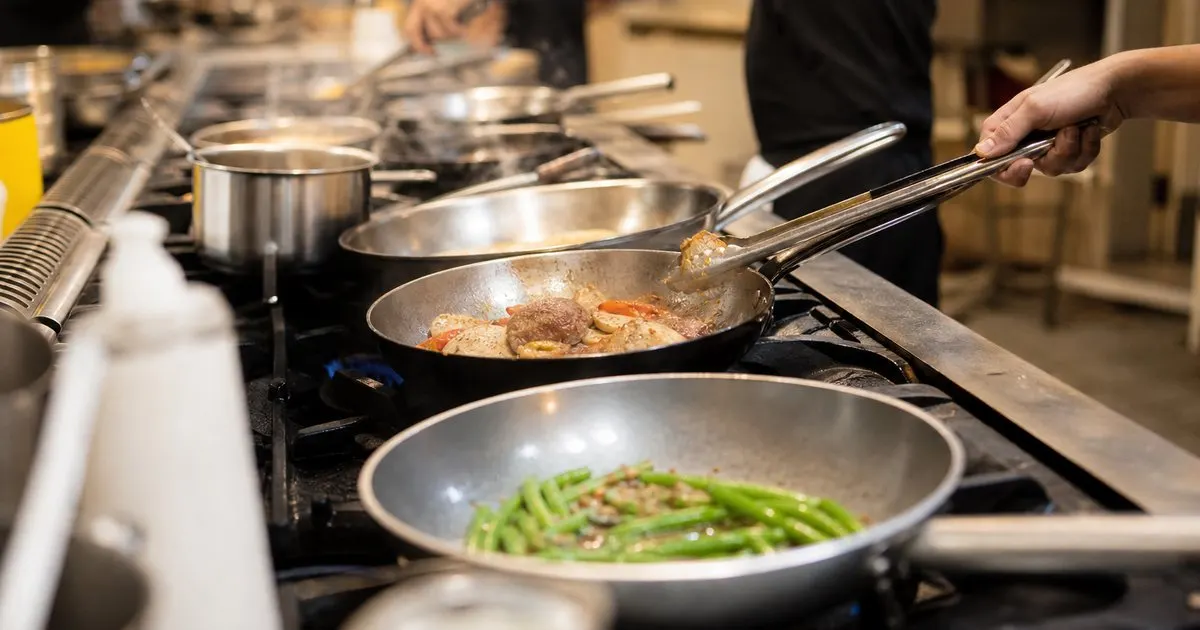
Find the station that slows the whole line and fix the real constraint.
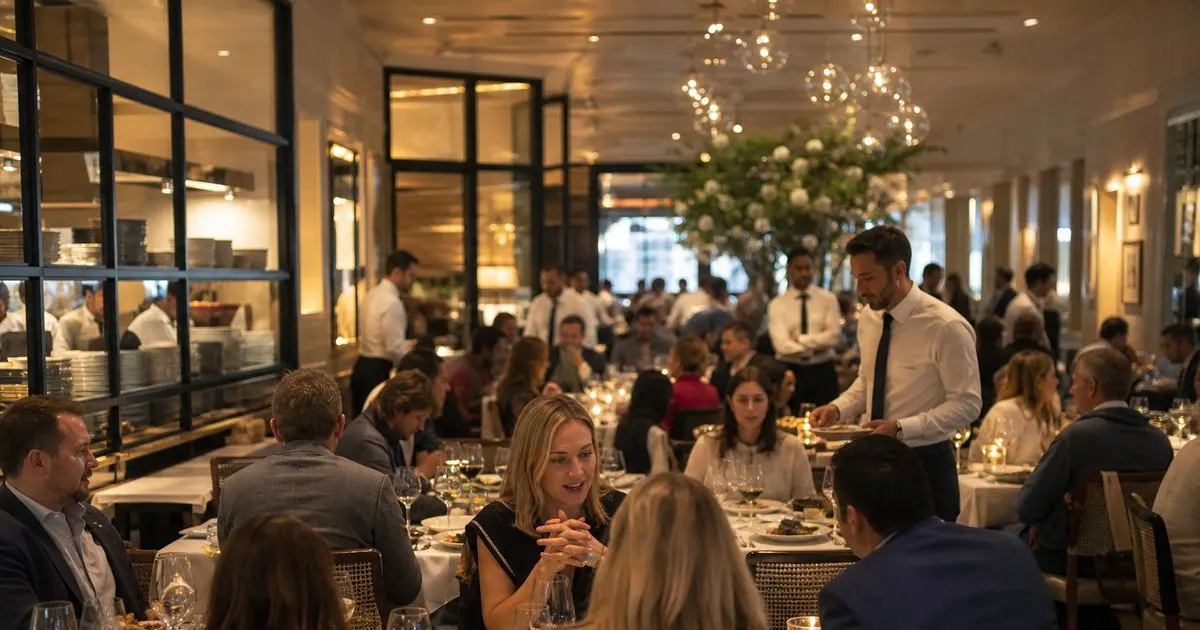
Use steady pacing to move tables without ever rushing a guest.
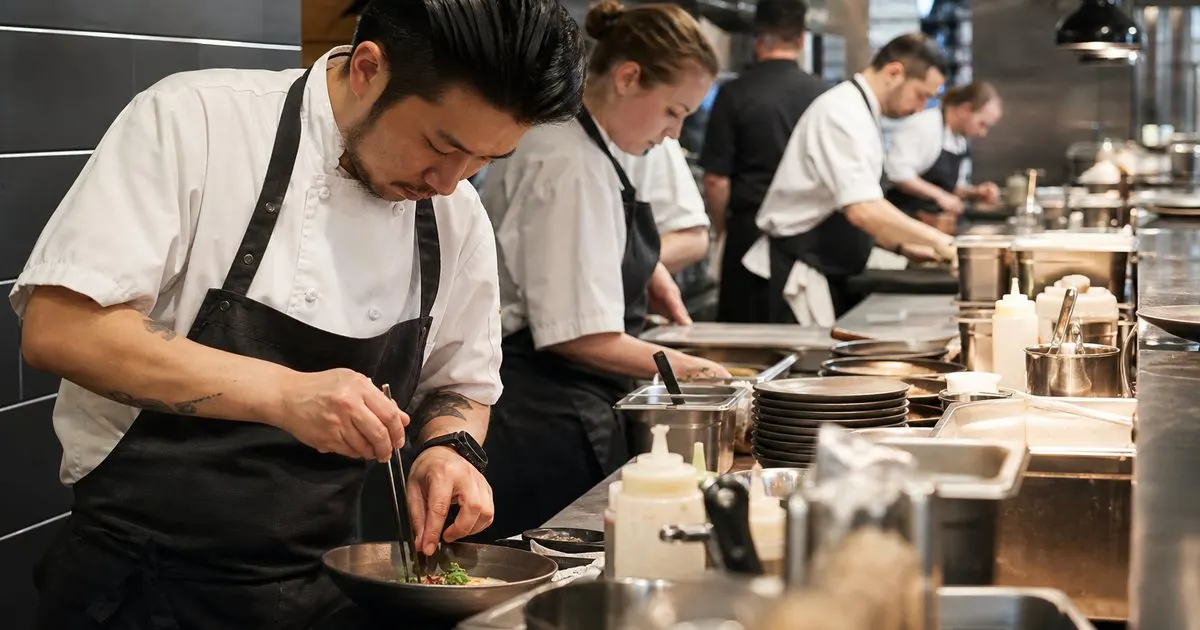
See the traits of a routing setup that keeps a complex line calm.
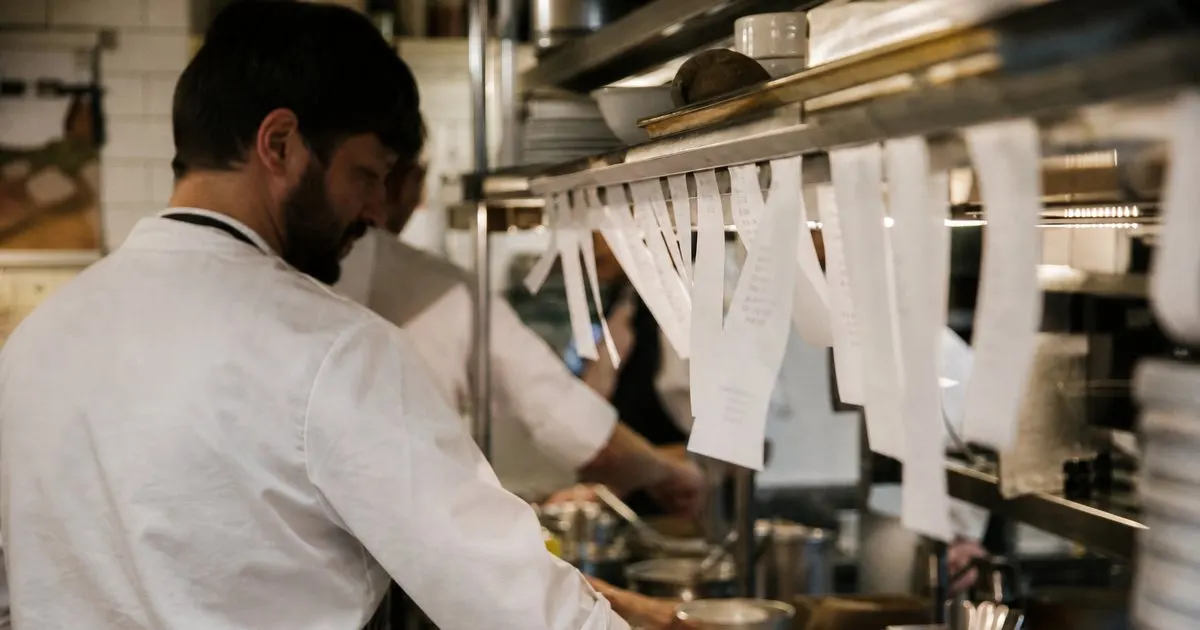
Understand what ticket times reveal and what they quietly leave out.
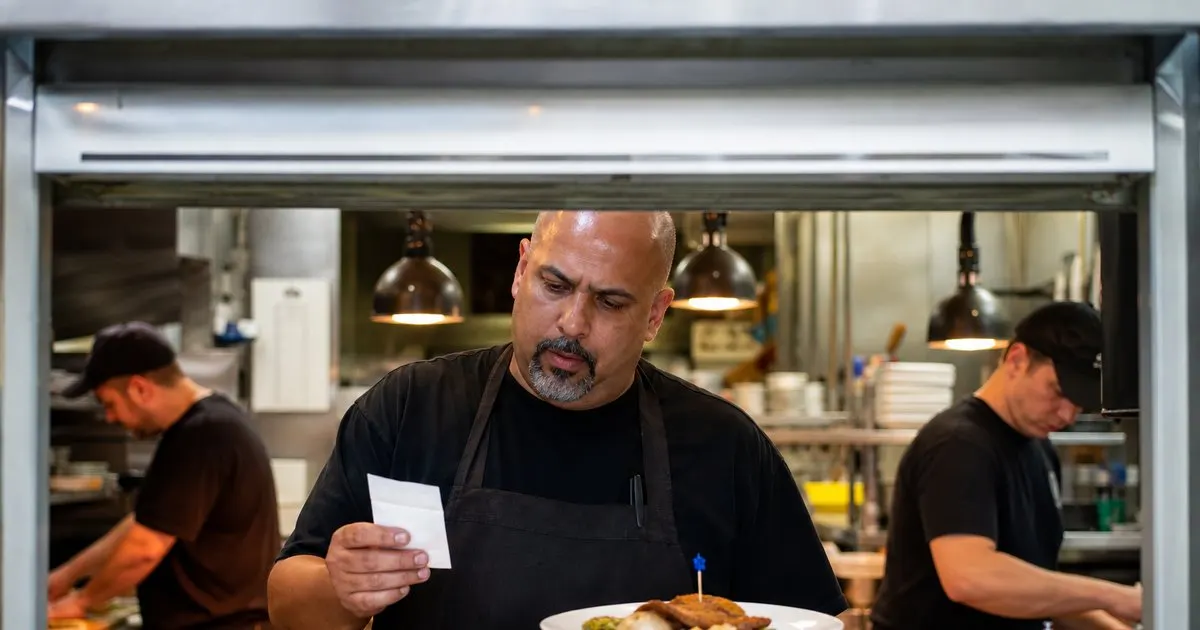
Allergy flags and heavy modifiers are where most expo mistakes happen. Here is how to route, call, and verify them without adding minutes to every ticket.
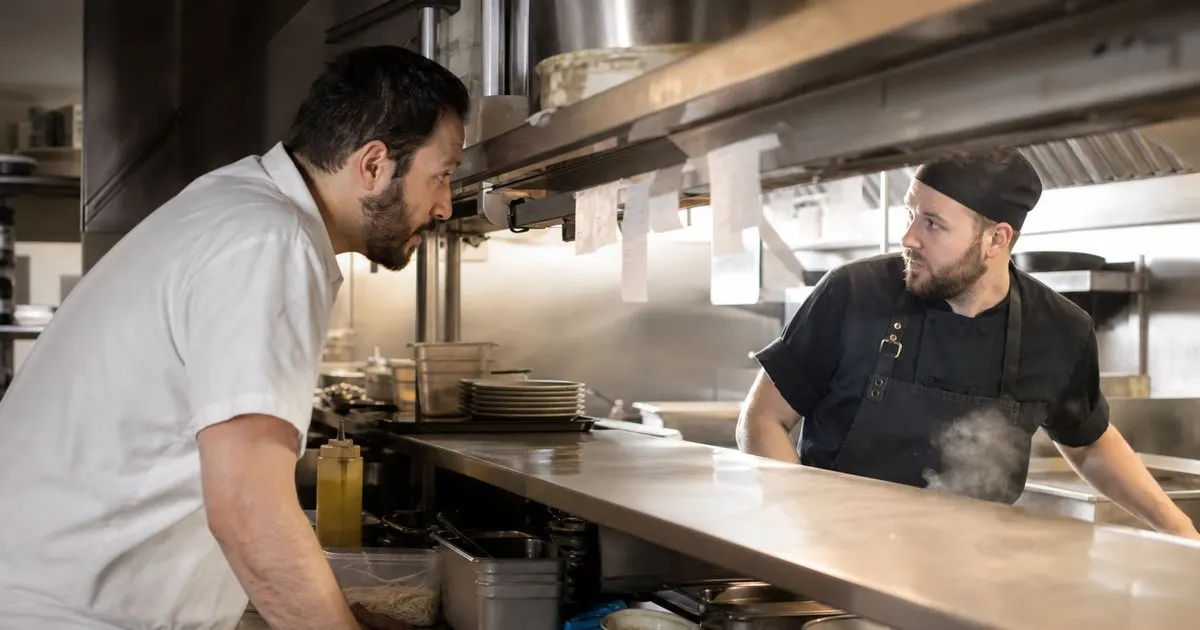
A missing ticket is a timing emergency, not a blame exercise. Here is the recovery sequence that gets the table back on track and the audit that stops it from recurring.
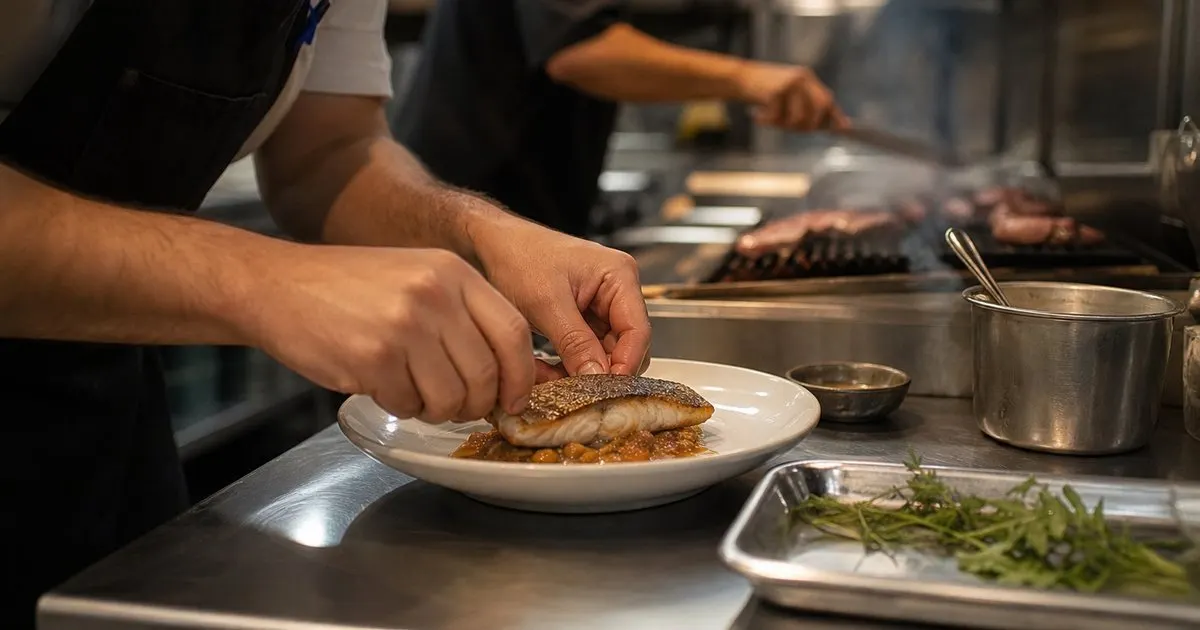
Fire times only work if the expo knows how long each station really takes. Here is how to measure station lead times, stagger calls, and adjust when the line changes.
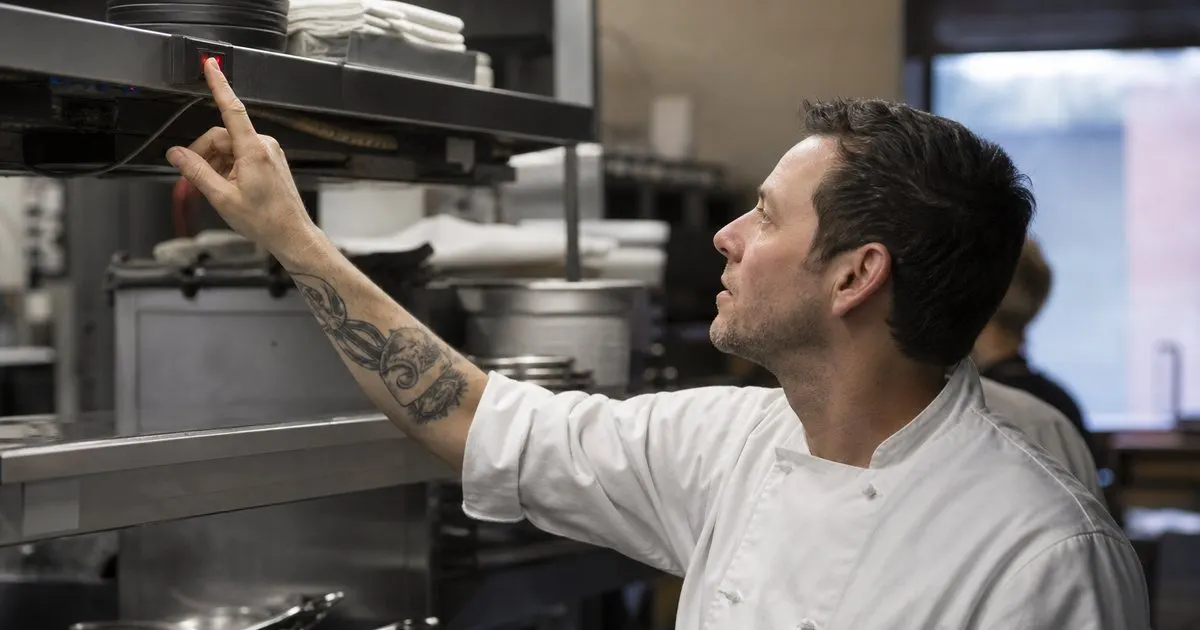
A bump is not just clearing the screen. It is the signal every other station and the expo rely on. Here is what sloppy bumping costs and how to fix it.
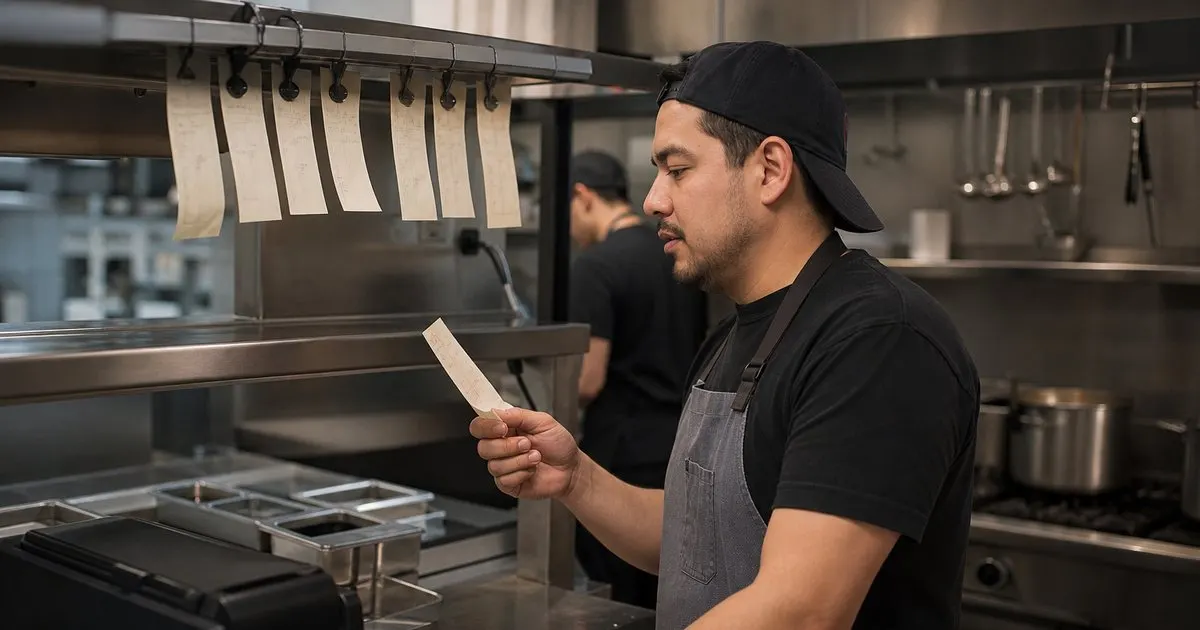
Paper works until it does not. Here are the honest signs that a display will help, the signs it will not, and what to expect in the first month.
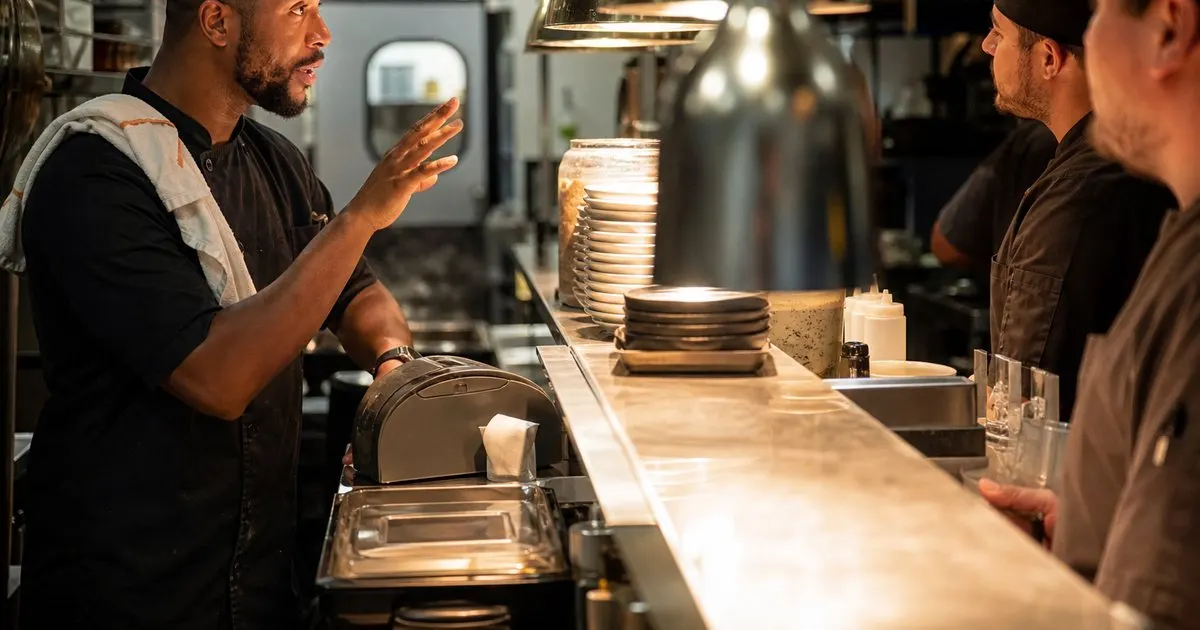
A busy pass runs on a small vocabulary. Here are the calls that carry information, the ones that are noise, and how to make the whole line respond the same way.
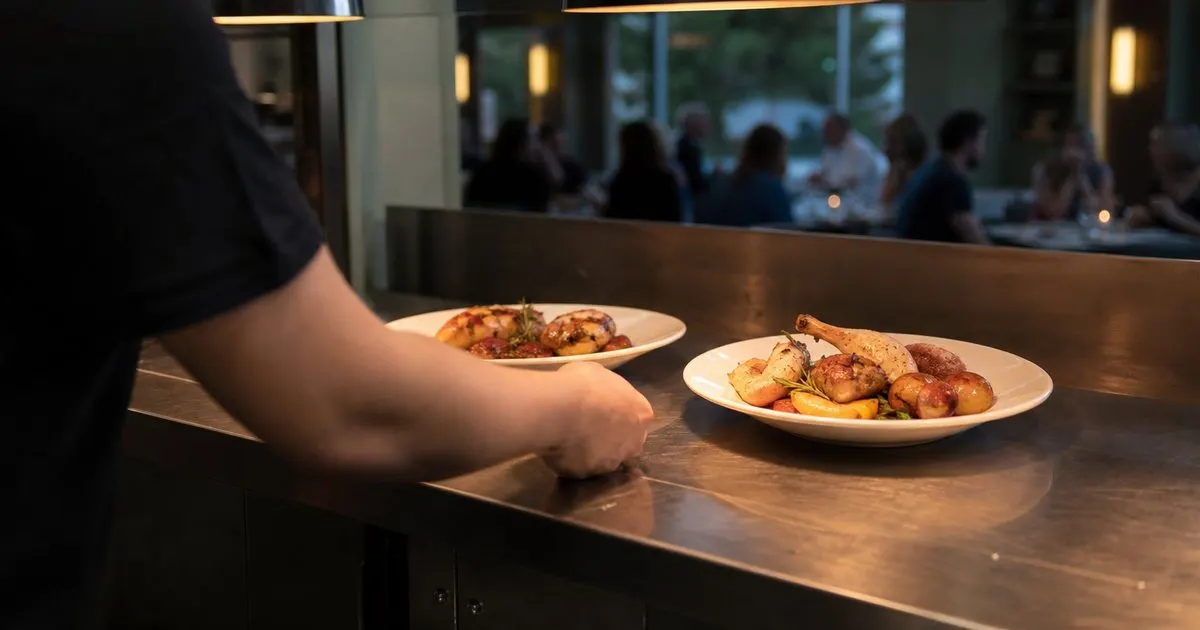
The plate was perfect at the pass and lukewarm at the table. Here is how to close the gap between the window and the guest with runner staging, hands calls, and honest window limits.
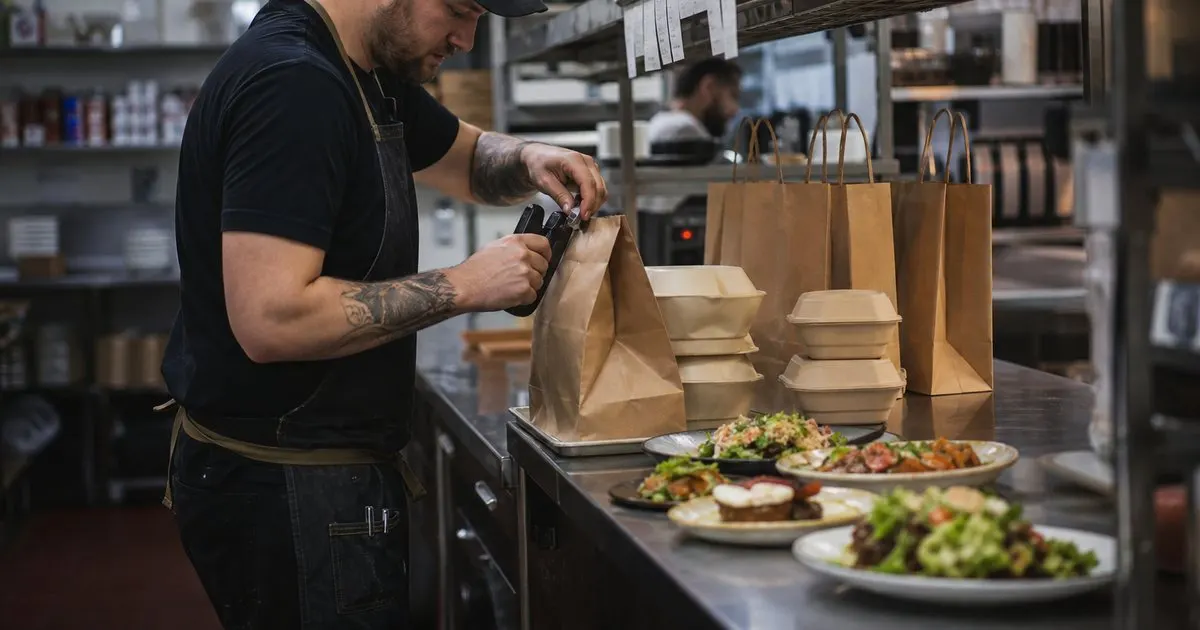
Off-premise orders arrive with no host, no pacing, and no patience. Here is how to route, sequence, and cap them so they stop wrecking the dining room.
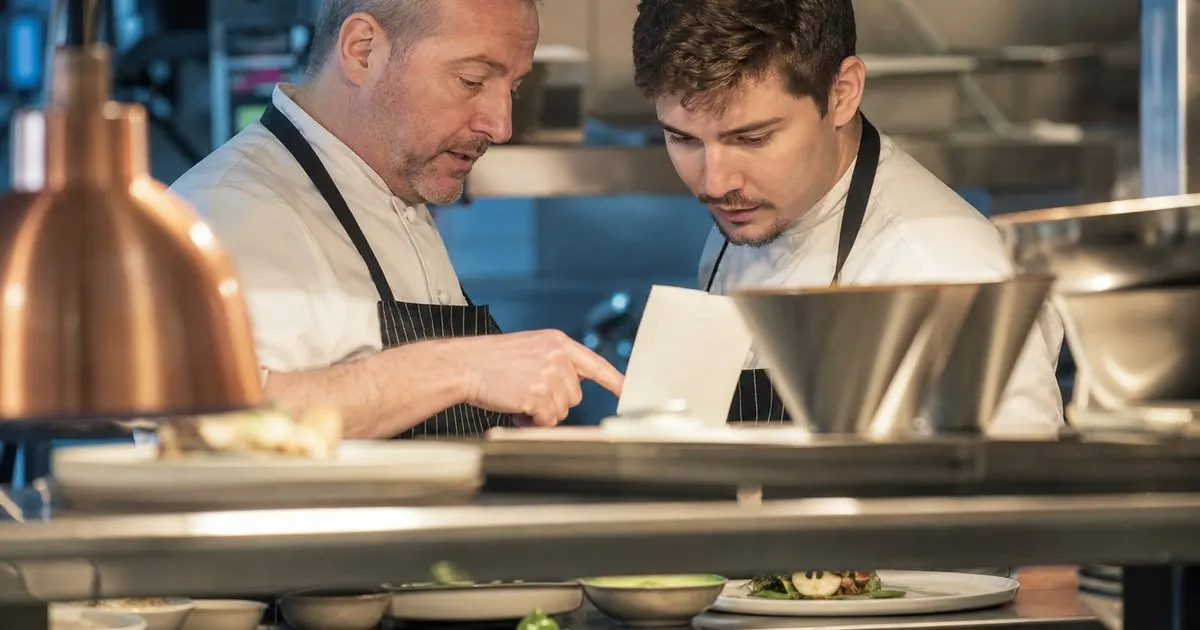
Expo is the hardest seat to fill and the easiest to fail at. Here is a two-week plan that builds reading, calling, and pacing in the right order.
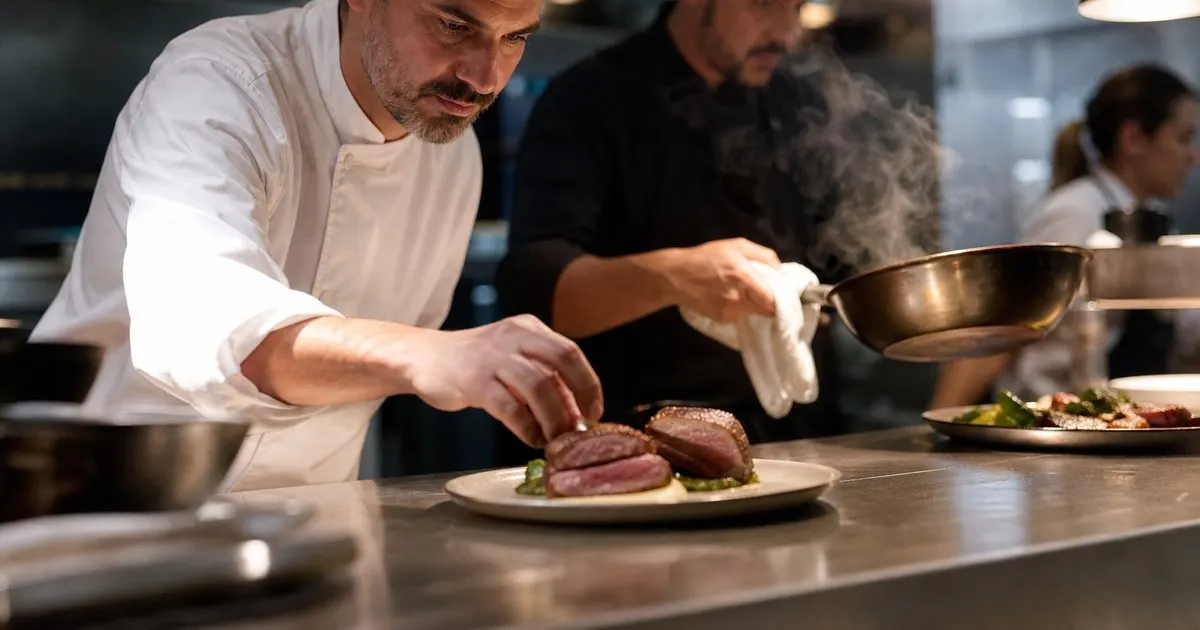
A refire is a timing problem before it is a quality problem. Here is how the pass calls it, what to do with the plates already up, and how to keep the rest of the board from sliding.
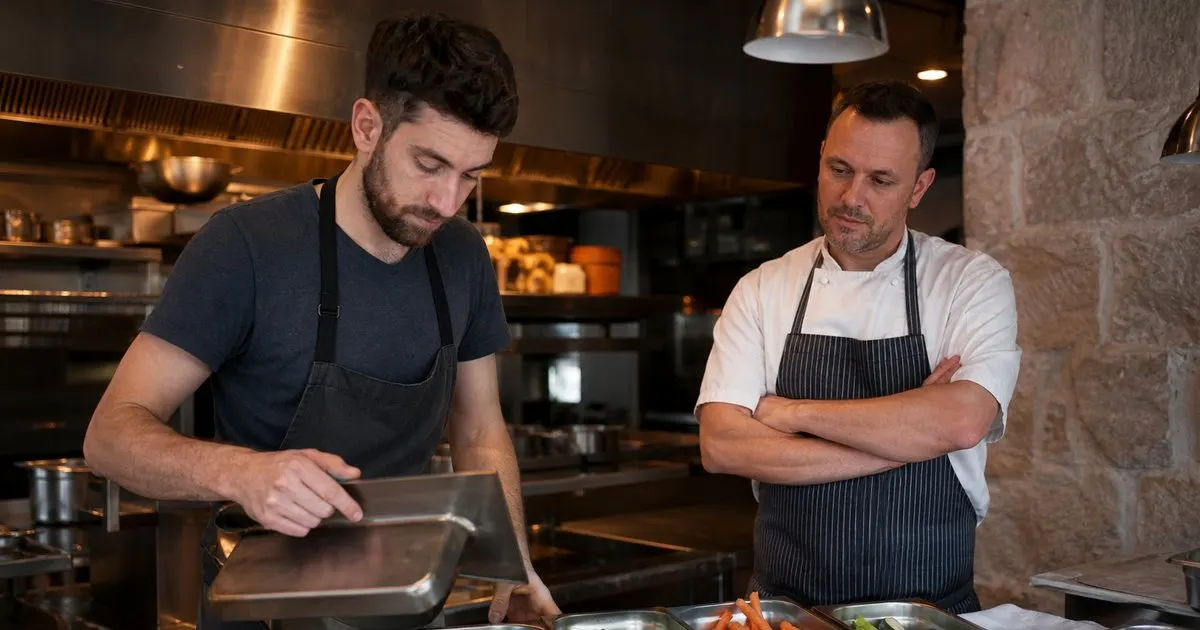
Running out of an item mid-rush changes three things at once: the tickets already in the system, the load on every station, and what servers can sell. Here is the routine that keeps all three in sync.