What does clean ticket routing look like across a multi-station line?
See the traits of a routing setup that keeps a complex line calm.
Clean routing starts with a map where every menu item belongs to exactly one station, so tickets route themselves. Stations see only their work while the expediter sees the whole table to coordinate the drop. Order changes propagate to the right station instantly, with recall and re-fire in one tap.
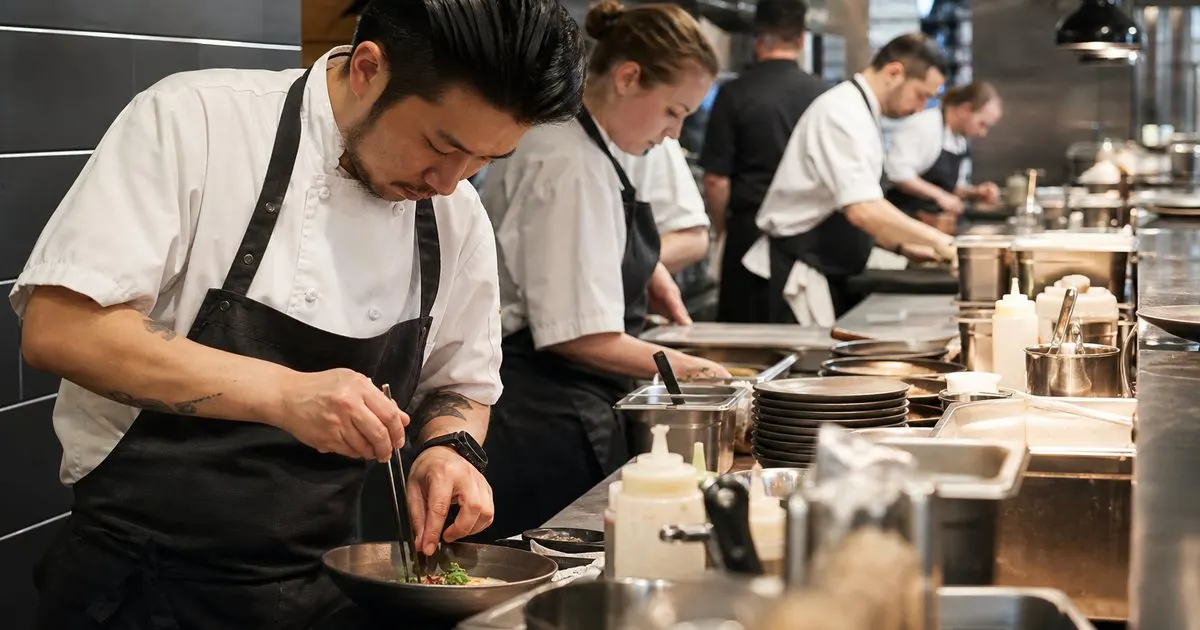
Every item has a home
Clean routing starts with a clear map, where each menu item belongs to exactly one station. No item should be ambiguous. Related: How much lead time should the expo build into each station call on a mixed line?
When the map is complete, new tickets route themselves, and cooks never wonder whose item something is. Related: How do you route kitchen tickets to the right stations without chaos?
Keep reading: How do you route kitchen tickets to the right stations without chaos?, What is the best way to pace courses so a table eats together?, Why does the expo pass fall apart during a busy dinner rush?. See how PlatePassr helps you kitchen expo ticket routing and course pacing.
Stations see only their work
A grill cook should not scroll past salads to find their steaks. Focused station views cut the noise and speed the work.
Less scanning means fewer missed items, which is the whole point of routing in the first place.
Expo sees the whole table
While stations stay focused, expo needs the complete table to coordinate the drop. The pass shows every outstanding item across stations. Related: What is the best way to pace courses so a table eats together?
That combination of focused stations and a full pass is the signature of a clean multi-station setup.
Changes propagate instantly
When a guest modifies an order, the change has to reach the right station at once, not after a plate is already fired. Live routing handles that.
Recall and re-fire in one tap keeps a correction from turning into a remade course and a blown ticket time. Related: When should the expediter fire the entrees for a large party?
- Map every item to one station
- Give stations focused views
- Give expo the full table
- Propagate changes to stations instantly

Julien Jimenez
Julien Jimenez is an independent software builder based in Paris. He designs, ships, and operates focused SaaS products for small businesses and independent professionals. Read the full author page.
Frequently asked questions
What happens when a guest changes an order mid-service?
The change has to reach the right station at once, not after a plate is already fired. Live routing with recall and re-fire in one tap keeps a correction from turning into a remade course and a blown ticket time.
Why give stations focused views instead of the full ticket?
A grill cook should not scroll past salads to find their steaks. Focused station views cut the noise and speed the work, which means fewer missed items, the whole point of routing.
Send Every Ticket to the Right Station
Kitchen expo ticket routing and course pacing. PlatePassr is built to help you put this into practice.
Start free trialMore from the PlatePassr blog
How do you route kitchen tickets to the right stations without chaos?
What is the best way to pace courses so a table eats together?
Why does the expo pass fall apart during a busy dinner rush?
Get the PlatePassr playbook
Practical guides on kitchen expo and service, straight to your inbox as we publish them. No spam, unsubscribe any time.