When should the expediter fire the entrees for a large party?
Time the entree fire so a big table is served hot and together.
Work backward from when the table should receive entrees and subtract the longest cook time on the ticket, since the slowest item sets the pace. Fire as the appetizer course winds down, not the second it clears, route the fire to every station at once, and leave a small buffer.
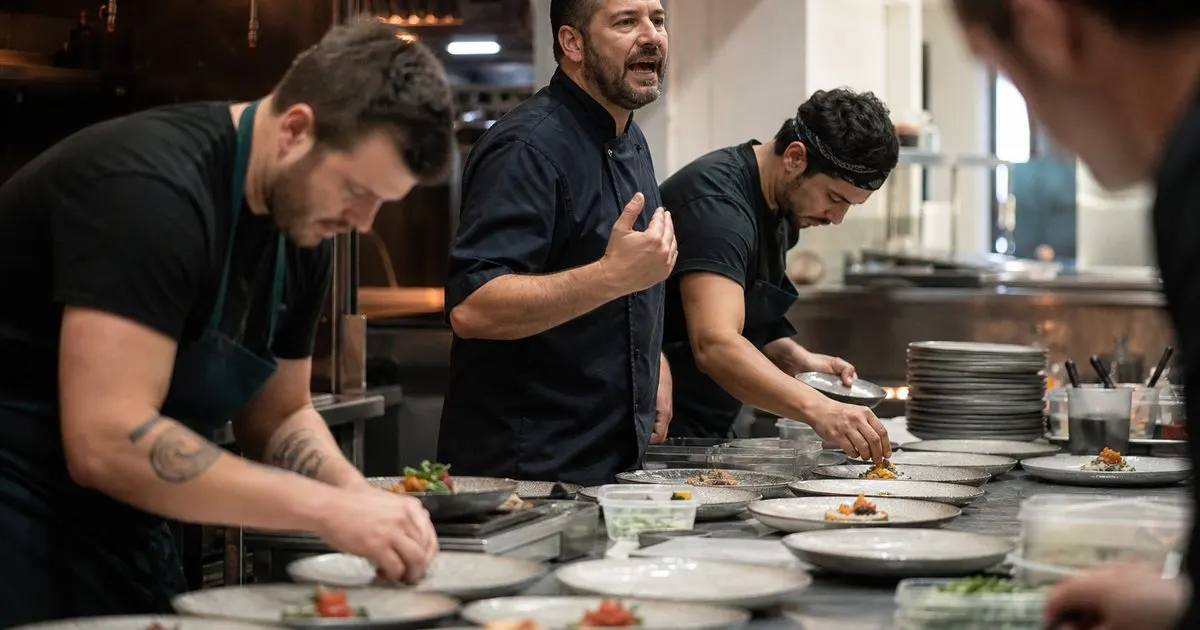
Work backward from the drop
Decide when the table should receive entrees, then subtract the longest cook time on the ticket. That is your fire moment. Related: How much lead time should the expo build into each station call on a mixed line?
For a large party, the slowest item sets the pace, so the fire has to account for it or plates will land cold.
Keep reading: How do you route kitchen tickets to the right stations without chaos?, What is the best way to pace courses so a table eats together?, Why does the expo pass fall apart during a busy dinner rush?. See how PlatePassr helps you kitchen expo ticket routing and course pacing.
Watch the appetizer clear
Entrees should fire as the appetizer course is winding down, not the second it is cleared. Firing too early risks a pile-up under the lamp.
A live pass shows appetizer progress, so the expediter fires on real signals instead of a stopwatch alone. Related: Who owns the expo pass and how does that role actually work?
Coordinate every station
A big table hits several stations at once, so the fire has to reach them together or the grill will finish long before saute. Related: What is the best way to pace courses so a table eats together?
Routing the fire to all relevant stations in one action keeps them synced instead of firing piecemeal. Related: How do you route kitchen tickets to the right stations without chaos?
Leave a buffer
Large parties absorb surprises, so build in a small buffer for a remade plate or a late modifier. A tight fire with no slack breaks on the first hiccup.
The buffer is not waste, it is the margin that lets a twelve top go out as one clean drop.
- Fire backward from the desired drop time
- Let the slowest item set the pace
- Fire all stations together for big tables
- Keep a small buffer for surprises

Julien Jimenez
Julien Jimenez is an independent software builder based in Paris. He designs, ships, and operates focused SaaS products for small businesses and independent professionals. Read the full author page.
Frequently asked questions
Why fire before the appetizers are fully cleared?
Firing the second apps clear risks a pile-up under the lamp, but waiting too long leaves a gap. Fire as the appetizer course winds down, using a live view of appetizer progress rather than a stopwatch alone.
Why leave a buffer when firing a big table?
A large party absorbs surprises like a remade plate or a late modifier. A tight fire with no slack breaks on the first hiccup, so the buffer is the margin that lets a twelve-top go out as one clean drop.
Send Every Ticket to the Right Station
Kitchen expo ticket routing and course pacing. PlatePassr is built to help you put this into practice.
Start free trialMore from the PlatePassr blog
How do you route kitchen tickets to the right stations without chaos?
What is the best way to pace courses so a table eats together?
Why does the expo pass fall apart during a busy dinner rush?
Get the PlatePassr playbook
Practical guides on kitchen expo and service, straight to your inbox as we publish them. No spam, unsubscribe any time.