What is the best way to pace courses so a table eats together?
Coordinate the fire so every seat at a table is served in the same window.
Coordinate every station to finish its part of a course in the same window so the food goes out as one drop. Fire appetizers first, hold entrees until the table is ready, then release. Adjust the window for party size, and let the expediter read the room and nudge timing.
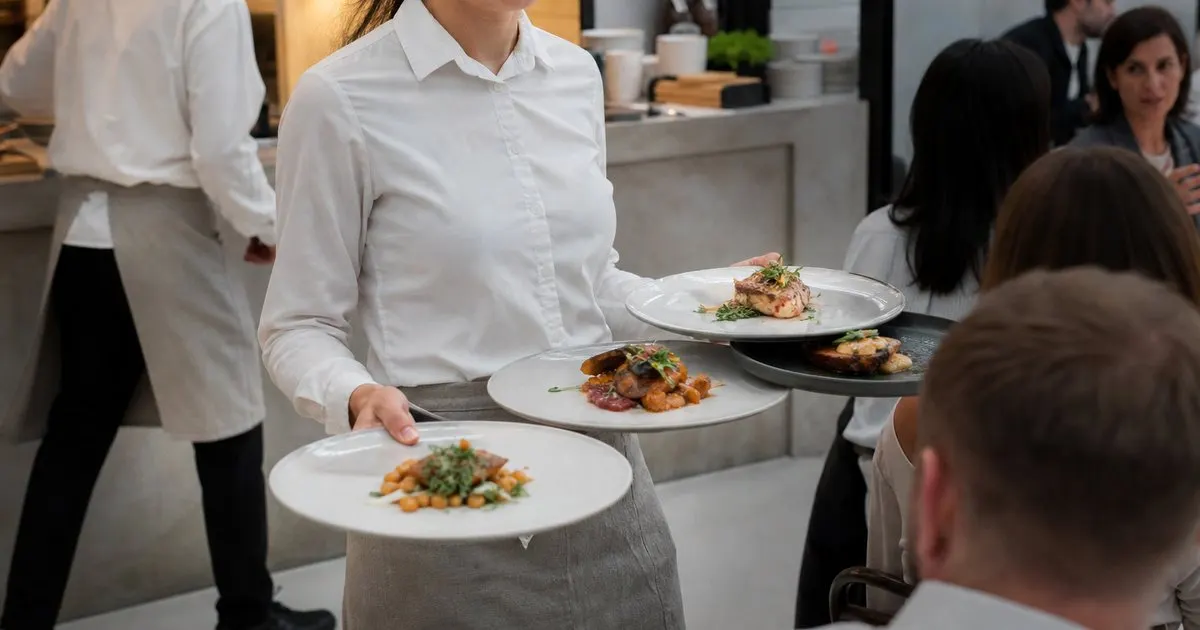
The goal is one shared moment
Guests remember eating together, not the kitchen's internal timing. When one plate lands five minutes before the rest, the table feels off balance. Related: How much lead time should the expo build into each station call on a mixed line?
Pacing courses means every station finishes its part of a course in the same window, so the food goes out as one drop.
Keep reading: How do you route kitchen tickets to the right stations without chaos?, Why does the expo pass fall apart during a busy dinner rush?, When should the expediter fire the entrees for a large party?. See how PlatePassr helps you kitchen expo ticket routing and course pacing.
Fire, hold, and release
Appetizers fire first, then entrees hold until the table is ready for the next course. A timer or an expo tap releases the hold. Related: When should the expediter fire the entrees for a large party?
Holding is not stalling, it is protecting the guest experience by keeping hot food from sitting under a heat lamp.
Adjust for party size
A two top and a party of twelve do not pace the same way. Larger parties need a longer window and tighter coordination across stations.
Setting pacing rules by party size lets the line handle a big table without dragging every other check in the room. Related: How do you route kitchen tickets to the right stations without chaos?
Read the room
Pacing is not purely mechanical, because a table that is deep in conversation wants a slower next course than one watching the door. Related: How can course pacing reduce table turn times in a full dining room?
The expediter should be able to nudge the release, so the system serves the room instead of overriding it.
- Aim for one shared drop per course
- Use fire, hold, and release on entrees
- Pace larger parties on a longer window
- Let expo adjust to the actual table

Julien Jimenez
Julien Jimenez is an independent software builder based in Paris. He designs, ships, and operates focused SaaS products for small businesses and independent professionals. Read the full author page.
Frequently asked questions
Does holding a course mean the food gets cold?
No. Holding protects the guest experience by keeping hot food from sitting under a heat lamp. Entrees hold until the table is ready for the next course, then an expo tap or timer releases them fresh.
Should large parties be paced the same as a two-top?
No. A party of twelve needs a longer window and tighter coordination across stations than a two-top. Setting pacing rules by party size lets the line handle a big table without dragging every other check in the room.
Send Every Ticket to the Right Station
Kitchen expo ticket routing and course pacing. PlatePassr is built to help you put this into practice.
Start free trialMore from the PlatePassr blog
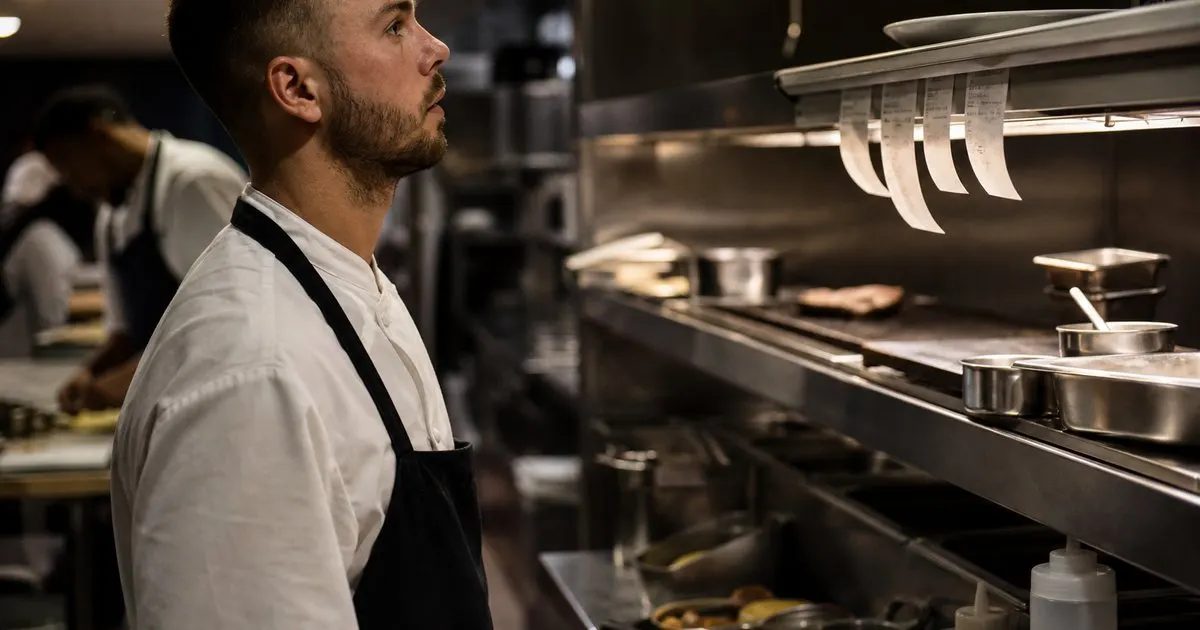
How do you route kitchen tickets to the right stations without chaos?
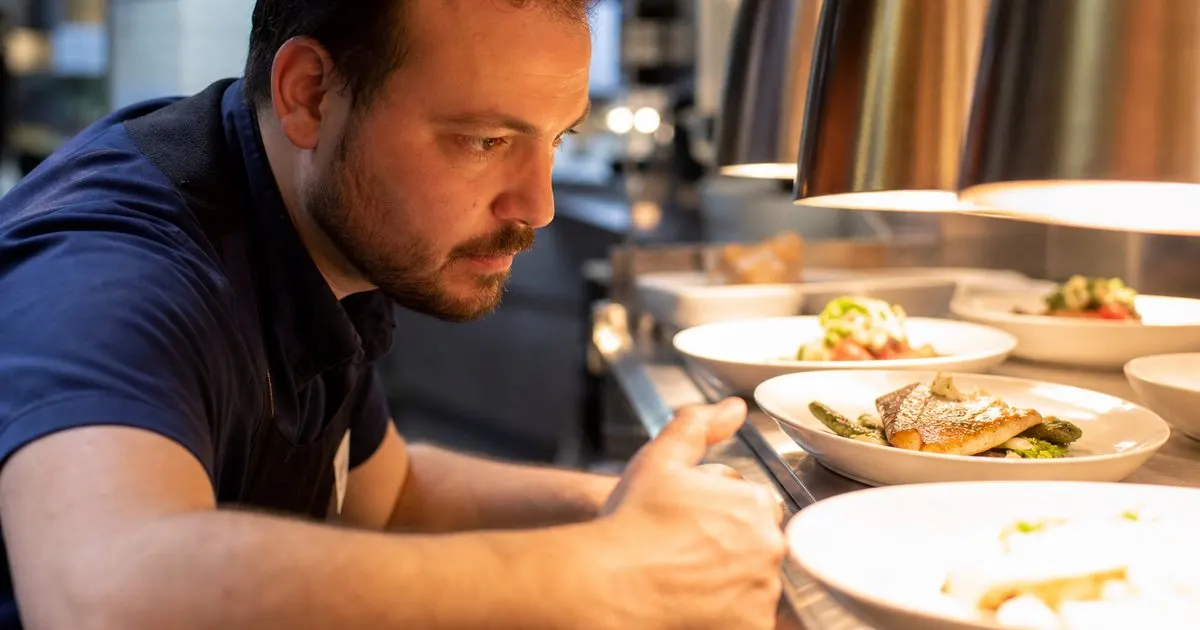
Why does the expo pass fall apart during a busy dinner rush?
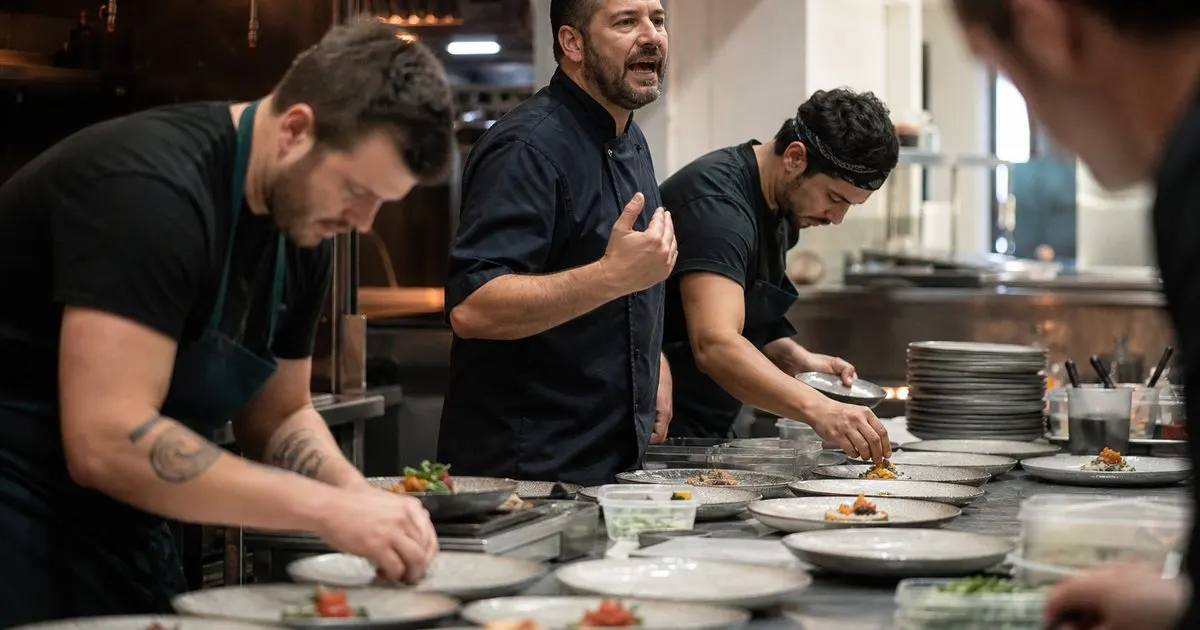
When should the expediter fire the entrees for a large party?
Get the PlatePassr playbook
Practical guides on kitchen expo and service, straight to your inbox as we publish them. No spam, unsubscribe any time.