Why does the expo pass fall apart during a busy dinner rush?
Understand where coordination breaks under pressure and how to hold it together.
During a rush the number of open tables outruns what any expediter can hold in their head, so modifiers and split-table timing slip first. Shouted callouts collide, and the printer, rail, and memory disagree about what is outstanding. One live pass everyone reads from, plus an unburdened expediter, holds it together.
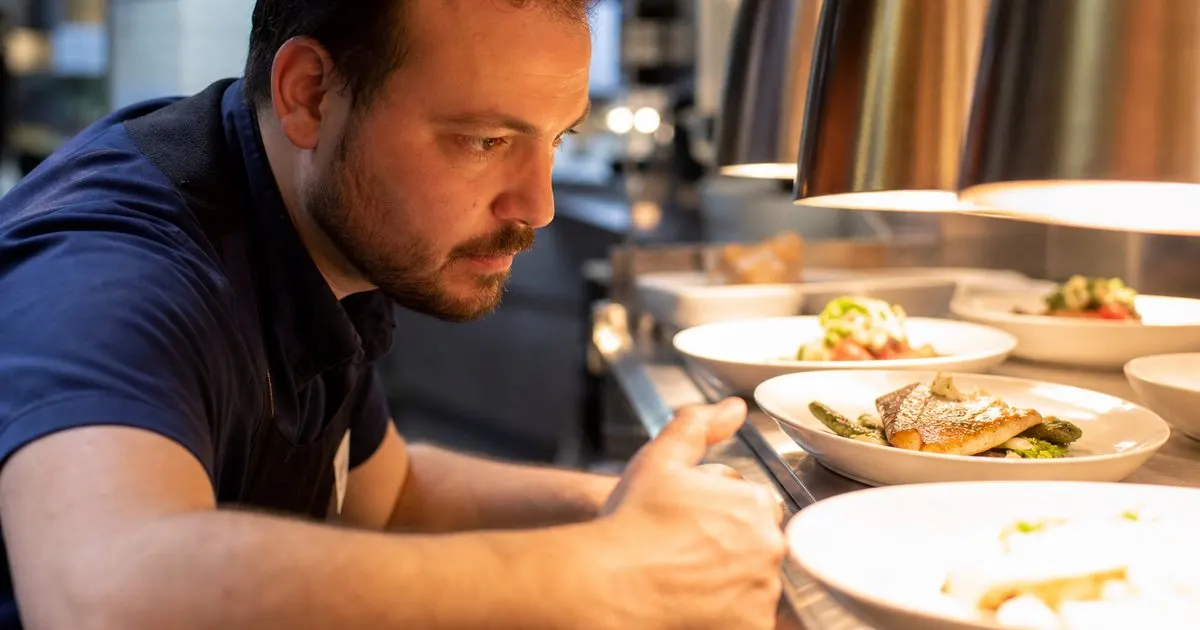
Volume outruns memory
During a rush, the number of open tables exceeds what any expediter can hold in their head. Once memory is the system, things start slipping.
The first casualties are usually modifiers and split-table timing, because those need attention the rush does not allow. Related: What is the best way to pace courses so a table eats together?
Keep reading: How do you route kitchen tickets to the right stations without chaos?, What is the best way to pace courses so a table eats together?, When should the expediter fire the entrees for a large party?. See how PlatePassr helps you kitchen expo ticket routing and course pacing.
Verbal callouts collide
When everything is shouted, the loudest voice wins and quieter tickets wait. Cross-talk between stations turns into missed fires. Related: How do you route kitchen tickets to the right stations without chaos?
A shared screen replaces most callouts with a glance, which lowers the noise and the error rate at the same time.
No single source of truth
If the printer, the rail, and each cook's memory disagree, there is no way to settle what is actually outstanding. That is where plates get remade or forgotten.
One live pass that every station reads from ends the disagreement, because everyone is looking at the same list.
Protect the pass role
The expediter should run the pass, not also plate, garnish, and answer the phone. Overloading that role is what actually collapses it. Related: Who owns the expo pass and how does that role actually work?
Give the pass a clear view and a light enough load to use it, and the rush becomes busy instead of chaotic.
- Rush volume beats memory every time
- Replace callouts with a shared screen
- Keep one live source of truth
- Do not overload the expediter

Julien Jimenez
Julien Jimenez is an independent software builder based in Paris. He designs, ships, and operates focused SaaS products for small businesses and independent professionals. Read the full author page.
Frequently asked questions
Why do verbal callouts break down under pressure?
When everything is shouted, the loudest voice wins and quieter tickets wait, while cross-talk between stations turns into missed fires. A shared screen replaces most callouts with a glance, lowering both the noise and the error rate.
What overloads the expediter during a rush?
Making the expediter also plate, garnish, and answer the phone is what collapses the role. Give the pass a clear view and a light enough load to actually use it, and the rush stays busy instead of chaotic.
Send Every Ticket to the Right Station
Kitchen expo ticket routing and course pacing. PlatePassr is built to help you put this into practice.
Start free trialMore from the PlatePassr blog
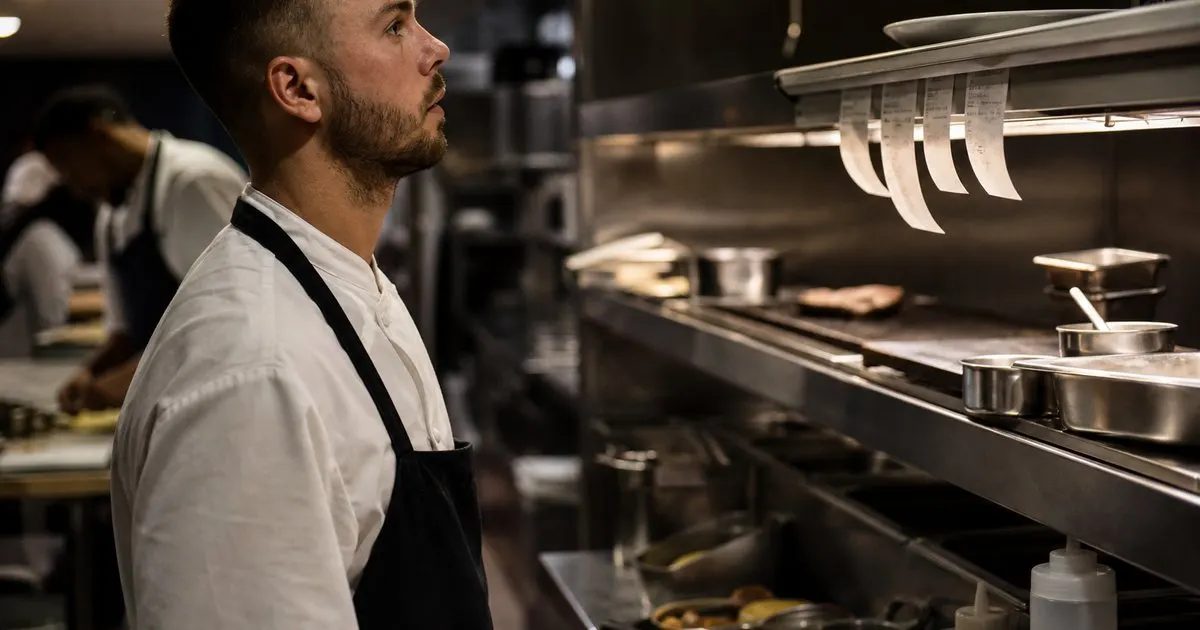
How do you route kitchen tickets to the right stations without chaos?
What is the best way to pace courses so a table eats together?
When should the expediter fire the entrees for a large party?
Get the PlatePassr playbook
Practical guides on kitchen expo and service, straight to your inbox as we publish them. No spam, unsubscribe any time.