Who owns the expo pass and how does that role actually work?
Define the expediter role so the pass has a clear leader every service.
One expediter owns the pass and gives the line a single voice to follow. That person calls fires, checks plates, and decides what goes out, while tracking every open table, its course, and outstanding items. Signals flow both ways with the stations, and a trained second keeps it consistent across shifts.
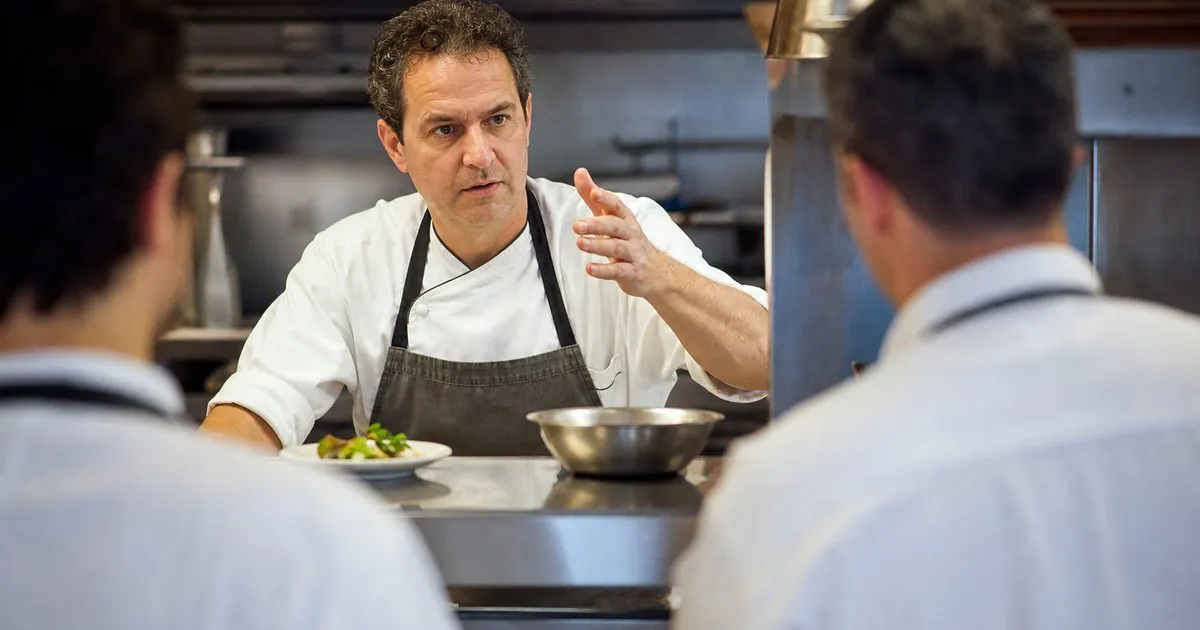
The pass needs one voice
When everyone runs the pass, no one does, and timing drifts. A single expediter gives the line one voice to follow. Related: When should the expediter fire the entrees for a large party?
That person calls fires, checks plates, and decides what goes out, which keeps the whole line aligned. Related: How much lead time should the expo build into each station call on a mixed line?
Keep reading: How do you route kitchen tickets to the right stations without chaos?, What is the best way to pace courses so a table eats together?, Why does the expo pass fall apart during a busy dinner rush?. See how PlatePassr helps you kitchen expo ticket routing and course pacing.
What the expediter watches
The expediter tracks every open table, the course each is on, and what is still outstanding. That is a lot to hold without a tool. Related: What is the best way to pace courses so a table eats together?
A live pass carries that load, so the expediter can focus on quality and timing instead of memorizing tickets.
Communication both ways
The role is not one-directional, because stations feed back when they are weeded or an item will run long. The expediter adjusts the fire accordingly.
Clear two-way signals, on a screen and out loud, keep the pass honest about what the kitchen can actually deliver. Related: Which expo callouts actually keep a line synchronized when the printer never stops?
Training a second
One expediter cannot work every shift, so train a reliable second who can run the pass the same way. Consistency across shifts protects the guest.
Document how your house paces and fires, so the pass does not depend on a single person's memory.
- Give the pass one clear owner
- Track every table, course, and open item
- Keep signals flowing both ways
- Train a second expediter for consistency

Julien Jimenez
Julien Jimenez is an independent software builder based in Paris. He designs, ships, and operates focused SaaS products for small businesses and independent professionals. Read the full author page.
Frequently asked questions
Why does the pass need a single owner?
When everyone runs the pass, no one does, and timing drifts. A single expediter gives the line one voice to follow for fires, plate checks, and what goes out, which keeps the whole line aligned.
Why train a second expediter?
One person cannot work every shift, so a reliable second who runs the pass the same way protects consistency for the guest. Documenting how your house paces and fires means the pass does not depend on one person's memory.
Send Every Ticket to the Right Station
Kitchen expo ticket routing and course pacing. PlatePassr is built to help you put this into practice.
Start free trialMore from the PlatePassr blog
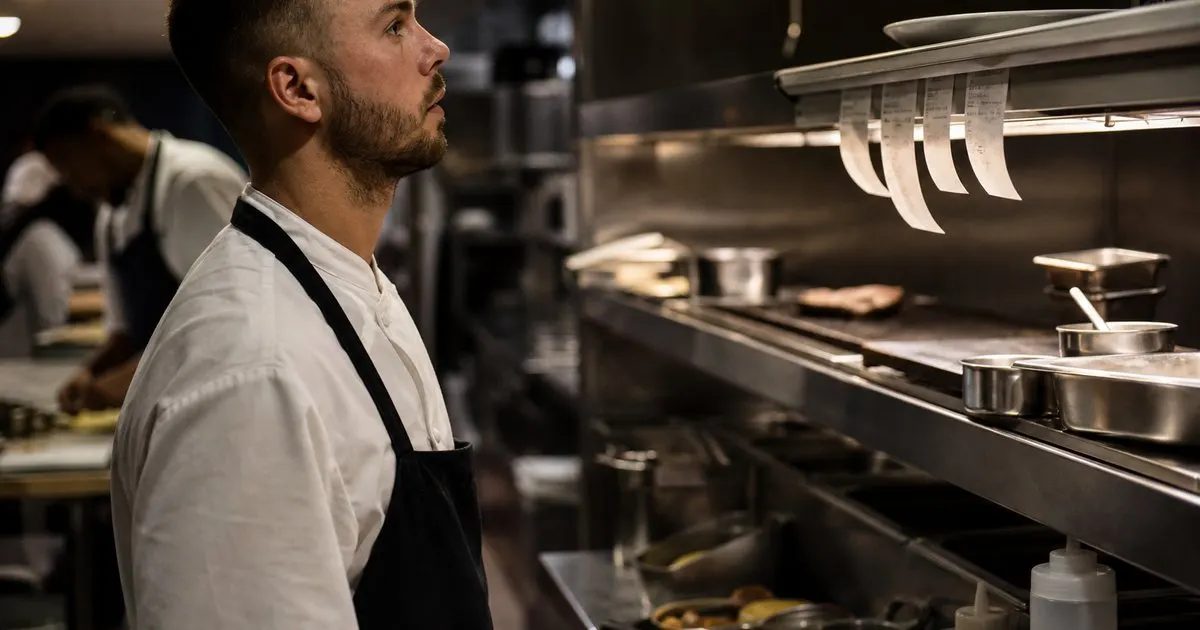
How do you route kitchen tickets to the right stations without chaos?
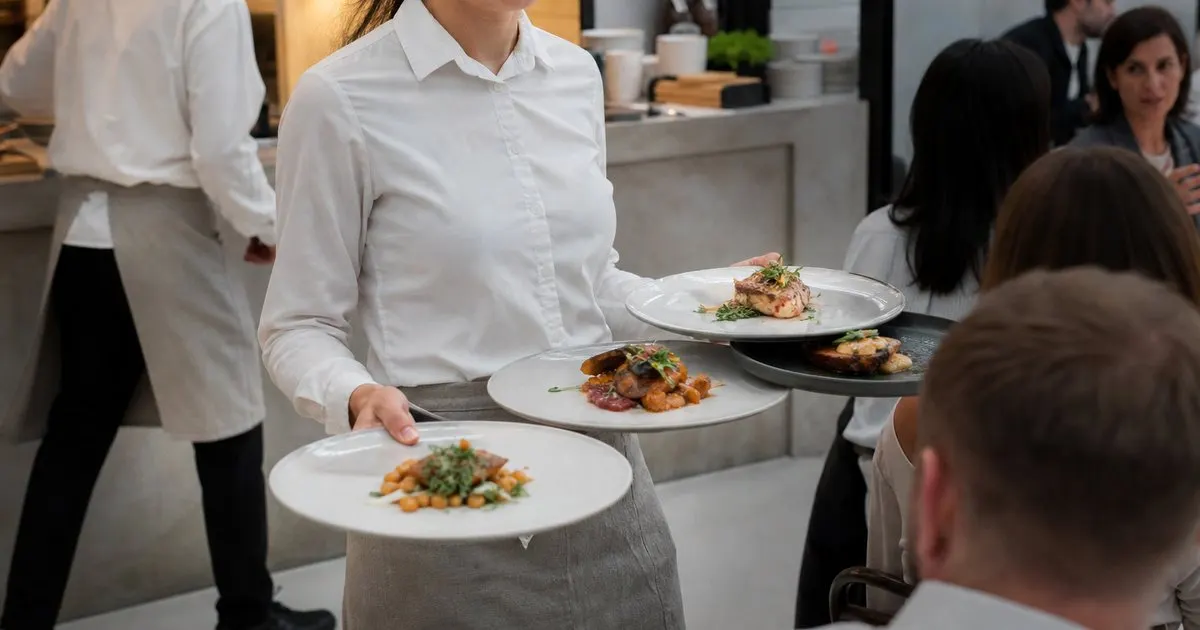
What is the best way to pace courses so a table eats together?
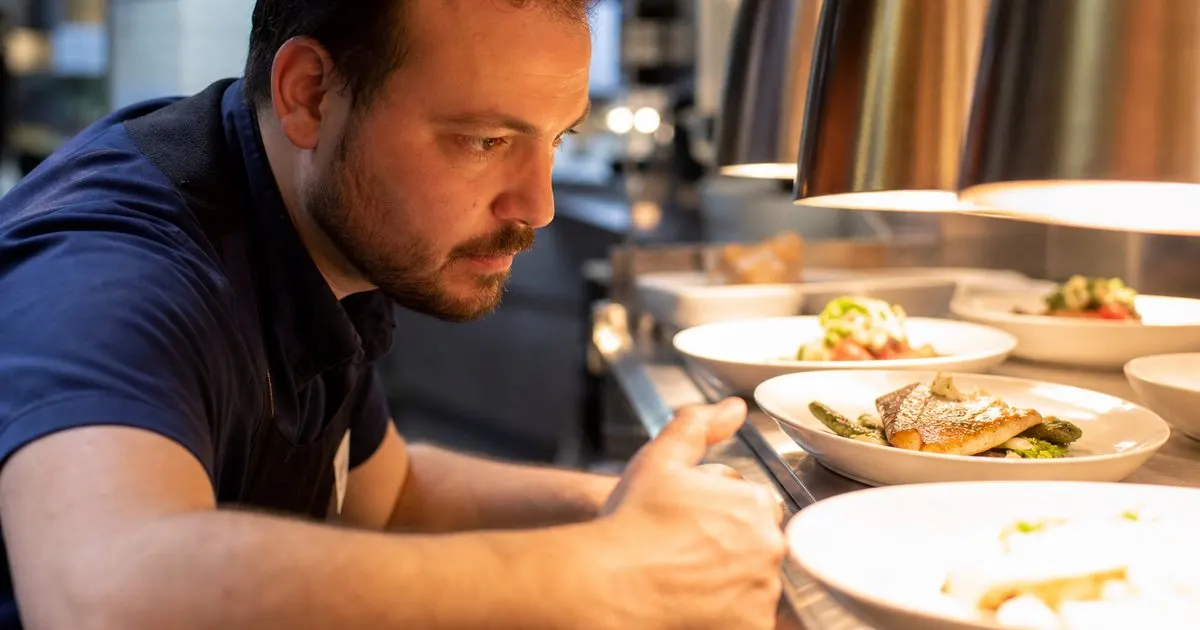
Why does the expo pass fall apart during a busy dinner rush?
Get the PlatePassr playbook
Practical guides on kitchen expo and service, straight to your inbox as we publish them. No spam, unsubscribe any time.