Which kitchen station bottlenecks cause the most late tickets on weekends?
Find the station that slows the whole line and fix the real constraint.
The line moves only as fast as its most constrained station, and that is where weekend late tickets pile up. Measure cook and hold times by station to find the real one rather than guessing. Saute and grill jam most often. Fix that constraint, then remeasure, since it usually shifts.
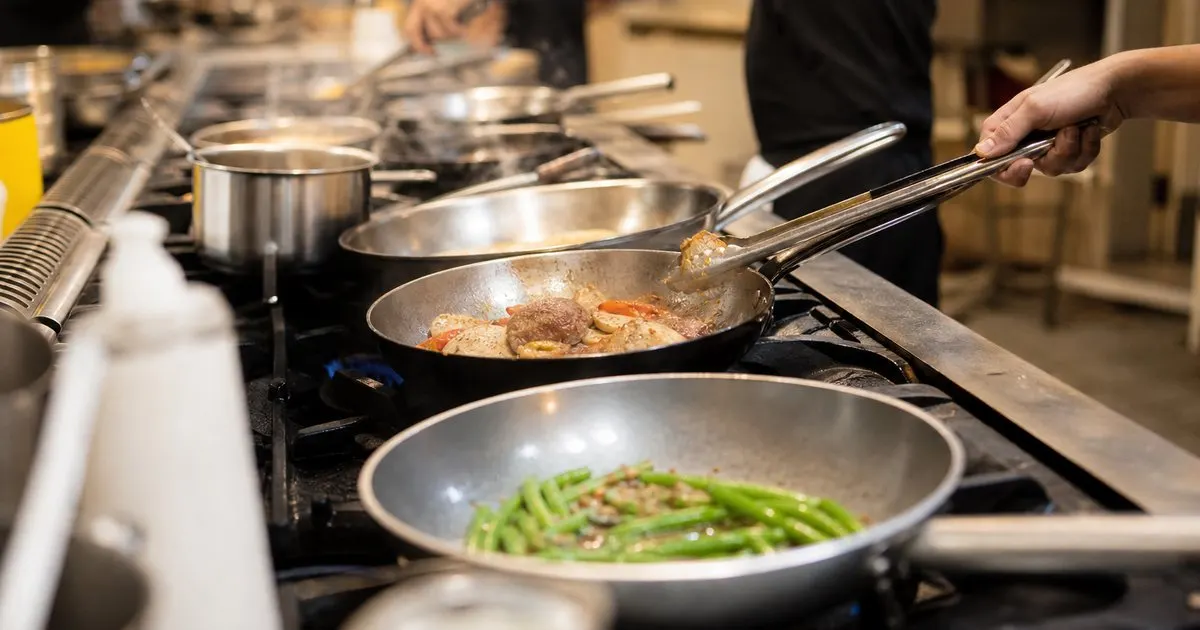
The line moves at its slowest station
A kitchen is only as fast as its most constrained station. On weekends, that constraint is where late tickets pile up. Related: How do you route kitchen tickets to the right stations without chaos?
Adding speed anywhere else does nothing if the bottleneck station stays overloaded, so you have to find the real one first.
Keep reading: How do you route kitchen tickets to the right stations without chaos?, What is the best way to pace courses so a table eats together?, Why does the expo pass fall apart during a busy dinner rush?. See how PlatePassr helps you kitchen expo ticket routing and course pacing.
Measure, do not guess
Cook times per station turn a hunch into a fact. If saute holds tickets twice as long as anyone else, the data shows it. Related: How can course pacing reduce table turn times in a full dining room?
Tracking hold time by station across a few weekends reveals the pattern that memory alone will miss. Related: What does clean ticket routing look like across a multi-station line?
Common weekend culprits
Saute often bottlenecks because pan space is finite and cannot simply scale with orders. The grill can jam when large parties order steaks at once.
Prep gaps also surface on weekends, when a low prep par on a popular item forces mid-rush cooking.
Fix the constraint
Once you know the station, you can add a hand, adjust the menu mix, or improve prep so the constraint eases. Aim the fix at the bottleneck, not everywhere.
Then measure again, because relieving one station often shifts the constraint to the next one in line. Related: How much lead time should the expo build into each station call on a mixed line?
- The slowest station sets the whole pace
- Measure cook times to find it
- Saute and grill jam most on weekends
- Fix the constraint, then remeasure

Julien Jimenez
Julien Jimenez is an independent software builder based in Paris. He designs, ships, and operates focused SaaS products for small businesses and independent professionals. Read the full author page.
Frequently asked questions
Why do saute and grill bottleneck on weekends?
Saute often jams because pan space is finite and cannot simply scale with orders, while the grill jams when large parties order steaks at once. Low prep pars on popular items can also force slow mid-rush cooking.
Why remeasure after fixing a bottleneck?
Relieving one station often shifts the constraint to the next one in line. Measuring hold times again confirms whether the fix worked and reveals where the new bottleneck has moved, so you keep improving the right spot.
Send Every Ticket to the Right Station
Kitchen expo ticket routing and course pacing. PlatePassr is built to help you put this into practice.
Start free trialMore from the PlatePassr blog
How do you route kitchen tickets to the right stations without chaos?
What is the best way to pace courses so a table eats together?
Why does the expo pass fall apart during a busy dinner rush?
Get the PlatePassr playbook
Practical guides on kitchen expo and service, straight to your inbox as we publish them. No spam, unsubscribe any time.