How can course pacing reduce table turn times in a full dining room?
Use steady pacing to move tables without ever rushing a guest.
Turns come from steadiness, not speed. Rushing a table backfires, but a steady rhythm that lands each course on time removes the waiting gaps that actually slow most turns. Sync kitchen and floor on a shared view of course progress, and never let faster turns feel like a push.
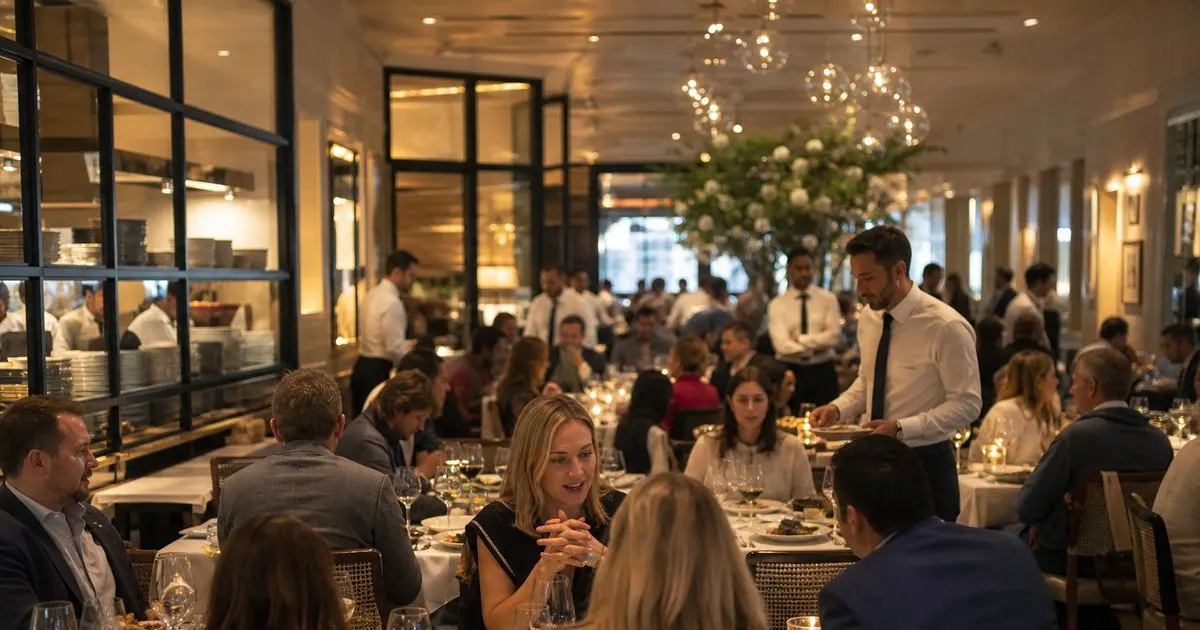
Turns come from steadiness, not speed
Rushing a table backfires, but a steady rhythm moves it naturally. Pacing keeps each course arriving on time so there are no dead gaps. Related: What is the best way to pace courses so a table eats together?
The guest never feels hurried, yet the meal flows, and steady flow is what frees the table sooner.
Keep reading: How do you route kitchen tickets to the right stations without chaos?, What is the best way to pace courses so a table eats together?, Why does the expo pass fall apart during a busy dinner rush?. See how PlatePassr helps you kitchen expo ticket routing and course pacing.
Eliminate the waiting gaps
Most slow turns are caused by waiting, not eating. A course that lands ten minutes late adds that gap to every table it touches. Related: How does a kitchen recover the table when one plate has to be refired during the main course?
Tight pacing removes those gaps, so the kitchen, not the guest's patience, sets the meal's tempo. Related: What happens to ticket routing and pacing when the kitchen 86s a dish in the middle of service?
Coordinate kitchen and floor
Pacing only works when the kitchen and the floor share timing. If servers clear late, the next fire lands wrong. Related: When should the expediter fire the entrees for a large party?
A shared view of course progress lets both sides move together, which is where real turn improvement comes from.
Respect the guest
Faster turns should never feel like a push, so leave room for a table that wants to linger over dessert. Pacing serves the guest, not the other way around.
Done right, better pacing means a smoother meal for the guest and one more seating for the house on a busy night.
- Steady pacing turns tables, rushing does not
- Kill the waiting gaps between courses
- Sync kitchen and floor timing
- Never make pacing feel like a push
Julien Jimenez
Julien Jimenez is an independent software builder based in Paris. He designs, ships, and operates focused SaaS products for small businesses and independent professionals. Read the full author page.
Frequently asked questions
Why do slow table turns come from waiting, not eating?
Most slow turns are caused by dead gaps between courses, not the time guests spend eating. A course that lands ten minutes late adds that gap to every table it touches, so tight pacing removes it.
Do faster turns mean rushing the guest?
No. Done right, pacing serves the guest with a smoother meal and still leaves room for a table that wants to linger over dessert. The kitchen sets a steady tempo, so the guest never feels hurried.
Send Every Ticket to the Right Station
Kitchen expo ticket routing and course pacing. PlatePassr is built to help you put this into practice.
Start free trialMore from the PlatePassr blog
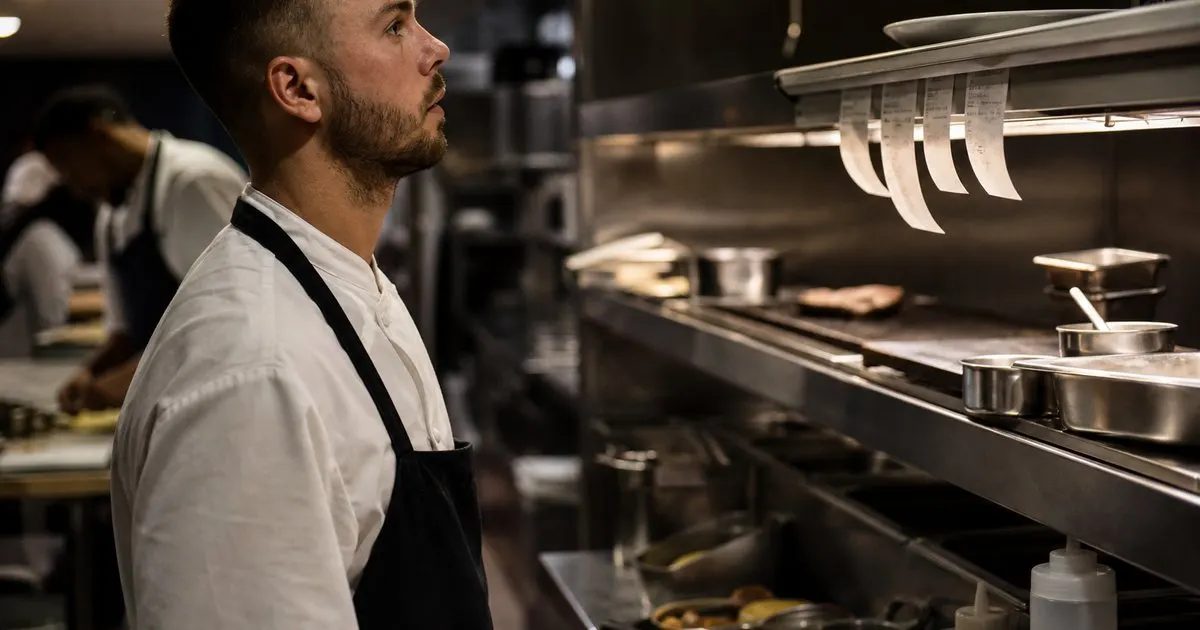
How do you route kitchen tickets to the right stations without chaos?
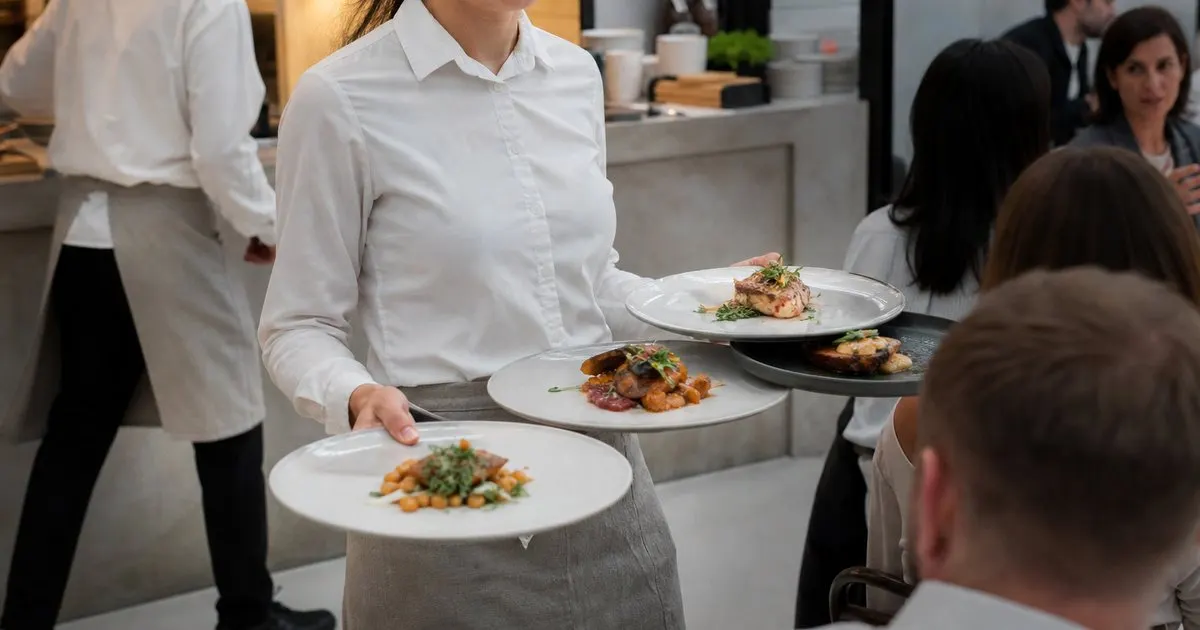
What is the best way to pace courses so a table eats together?
Why does the expo pass fall apart during a busy dinner rush?
Get the PlatePassr playbook
Practical guides on kitchen expo and service, straight to your inbox as we publish them. No spam, unsubscribe any time.