What happens to ticket routing and pacing when the kitchen 86s a dish in the middle of service?
Running out of an item mid-rush changes three things at once: the tickets already in the system, the load on every station, and what servers can sell. Here is the routine that keeps all three in sync.
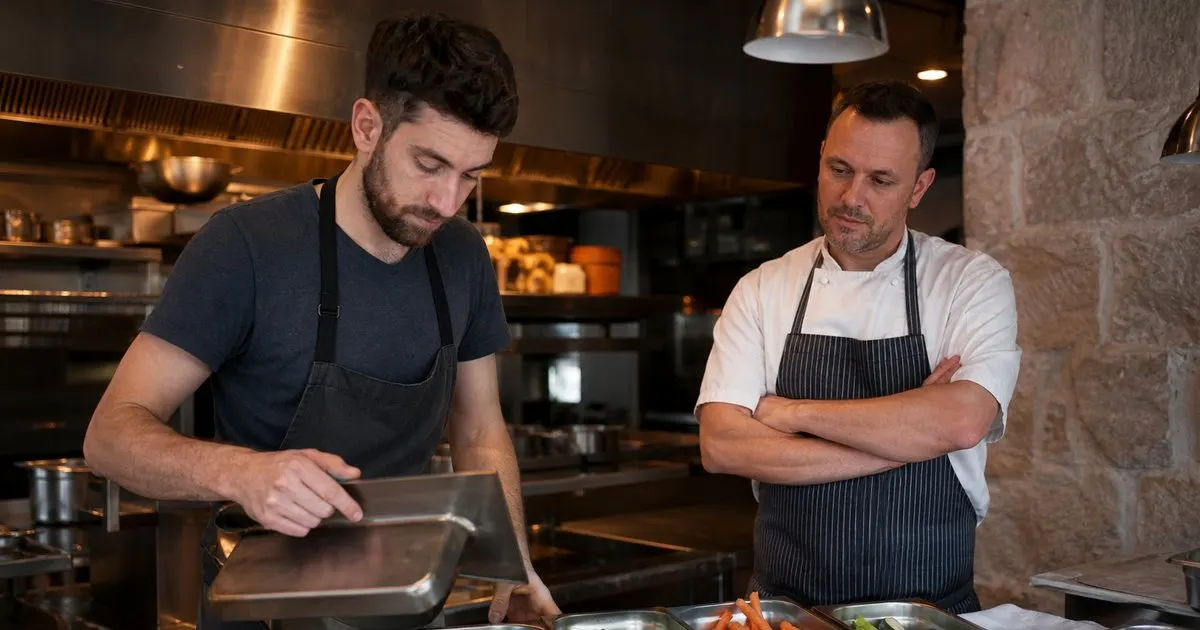
One item going down changes three systems at once
When a station calls out that an item is finished, most kitchens handle the loudest part well: someone shouts it, servers hear it, and the item stops being sold. The two quieter parts are where service breaks. First, there are already tickets in the system that contain the dead item, some of them fired and some of them waiting. Second, every guest who would have ordered that item is about to order something else, and that something else lands on a different station. An 86 is not just a sales change. It is a routing change and a load change that arrives without warning. Related: Which kitchen station bottlenecks cause the most late tickets on weekends?
The sequence matters more than the speed. The right order is to freeze the item at the point of sale, then sweep the open tickets, then tell the floor what to sell instead, then warn the station that is about to inherit the demand. Kitchens that do the shouting first and the sweep last end up serving a table an item that no longer exists, or worse, discovering it at the pass when the plate should already be in the window. The sweep is the step that gets skipped, because it is the only one that requires someone to stop and look at tickets that already left the printer.
Keep reading: How do you route kitchen tickets to the right stations without chaos?, What is the best way to pace courses so a table eats together?, Why does the expo pass fall apart during a busy dinner rush?. See how PlatePassr helps you kitchen expo ticket routing and course pacing.
Sweep the tickets that are already in the system
As soon as the item is down, walk the open board from oldest to newest and mark every ticket that contains it. Split those into two groups. Tickets where the item is already cooking or plated are fine, and the pass should protect that inventory rather than letting a cook start something new with the last portions. Tickets where the item is still waiting need a decision now, and the decision belongs to the guest, not the kitchen. The server goes to the table, explains, and comes back with a replacement, which the pass re-routes to whatever station the new item belongs to. Related: Who owns the expo pass and how does that role actually work?
The trap is the middle case: an item that is partly available. Three portions left and six on the board means someone has to allocate them, and the fairest rule is oldest ticket first, which is also the rule that protects table turns. Say the count out loud when you call the 86 so the line knows the difference between finished and nearly finished. "Two left on the short rib, then we are down" lets the pass assign those two portions deliberately instead of letting the fastest cook consume them. Systems that let the expo set a live count on an item, which is one of the things we built into PlatePassr, mostly exist to stop that allocation from happening by accident. Related: What is the best way to pace courses so a table eats together?
Expect the load to move, and say where it is going
Guests do not stop ordering when an item goes down. They order the closest thing, and the closest thing is usually on a different station. Lose a pasta and saute gets lighter while grill or roast gets heavier. Lose a fish and the same shift happens in reverse. The station that inherits the demand often has no idea it is coming, because nothing about the 86 call tells them anything except that another station ran out. The expo should finish every 86 call with the load prediction: which station is about to get busier, and by roughly how much.
That prediction also tells the floor how to steer. If the replacement everyone will suggest lands on the station that is already the deepest in the weeds, the kitchen should pick a different recommendation and give the servers the exact wording. A single sentence from the pass, naming two dishes that are running well and cook fast, moves demand toward the stations that can absorb it. Without that sentence, servers default to the most expensive or the most familiar alternative, and the kitchen finds out fifteen minutes later when one station's tickets start aging. Related: How do you route kitchen tickets to the right stations without chaos?
Run the same 86 routine every single time
The routine should be short enough to run in under a minute and identical whether it is a Tuesday lunch or a Saturday at eight. Freeze the item so no new tickets can carry it. Sweep the open board and mark affected tickets, oldest first. Send servers to those tables with a specific replacement suggestion. Name the station that will absorb the demand. Write the item and the time on the 86 board where everyone can see it, including the people who were on break when it was called. That last step is the one that prevents the 86 from being re-sold by someone who missed the shout.
After service, the 86 log is genuinely useful data. An item that goes down at nine on a Saturday is a par level problem. An item that goes down at seven is a prep problem or a forecasting problem. An item that goes down every week is a menu problem, either because it is underpriced relative to its yield or because the prep is too long to catch up mid-service. Reviewing a month of 86 times by item and day tends to point at two or three fixes, usually a par change and one recipe or portioning change, that remove most of the mid-service surprises.
- Freeze the item at the point of sale first, then sweep open tickets from oldest to newest before anything else.
- Call the remaining count, not just the 86, so the last portions get allocated deliberately.
- Finish every 86 call by naming the station that is about to inherit the demand.
- Log the item and the time it went down; early 86s are a prep issue, late ones are a par level issue.

Julien Jimenez
Julien Jimenez is an independent software builder based in Paris. He designs, ships, and operates focused SaaS products for small businesses and independent professionals. Read the full author page.
Send Every Ticket to the Right Station
Kitchen expo ticket routing and course pacing. PlatePassr is built to help you put this into practice.
Start free trialMore from the PlatePassr blog
How do you route kitchen tickets to the right stations without chaos?

What is the best way to pace courses so a table eats together?
Why does the expo pass fall apart during a busy dinner rush?
Get the PlatePassr playbook
Practical guides on kitchen expo and service, straight to your inbox as we publish them. No spam, unsubscribe any time.