How does a kitchen recover the table when one plate has to be refired during the main course?
A refire is a timing problem before it is a quality problem. Here is how the pass calls it, what to do with the plates already up, and how to keep the rest of the board from sliding.
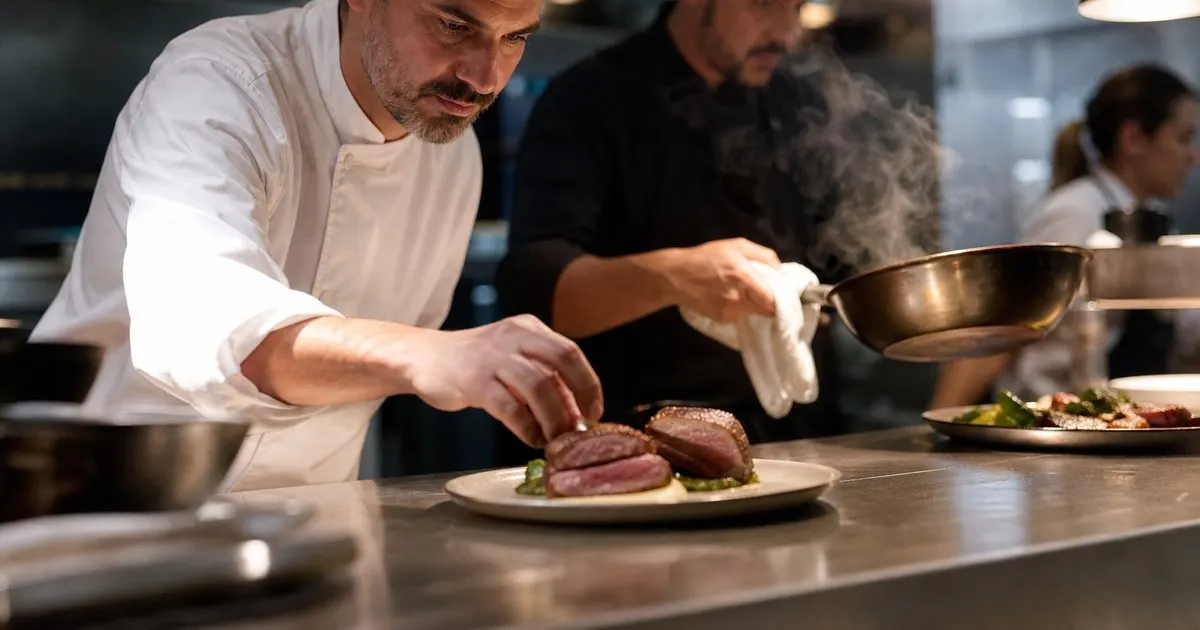
Call the refire out loud before you decide anything else
A plate comes back. It is undercooked, it is the wrong protein, it sat too long and the sauce broke, or a guest changed their mind at the table. Whatever the reason, the clock on that table restarted the moment the plate left the dining room, and the rest of the party is already eating. The first move at the pass is not to investigate and it is not to apologize to the line. It is to put the item back into the kitchen's queue as loudly and as clearly as a new fire, with the table number, the item, the temperature or modifier that has to change, and the word refire so nobody treats it as a duplicate. Related: When should the expediter fire the entrees for a large party?
Refires get lost more often than first fires, because they usually arrive verbally while the printer or display keeps producing new work. A cook who hears "refire the salmon on twenty-two" in the middle of plating three other tickets will nod and forget within a minute. Give the refire a physical home: a reprinted ticket, a re-pushed entry on the display, a card in a dedicated slot on the rail. Then confirm it back. The expo says the item and the table, the cook repeats the item and the table, and the pass moves on. That two second callback is the cheapest insurance in the kitchen. Related: How do you route kitchen tickets to the right stations without chaos?
Keep reading: How do you route kitchen tickets to the right stations without chaos?, What is the best way to pace courses so a table eats together?, Why does the expo pass fall apart during a busy dinner rush?. See how PlatePassr helps you kitchen expo ticket routing and course pacing.
Decide fast whether the table waits or keeps eating
The judgment call is what happens to the other three people at the table. There is no universal right answer, and the wrong instinct is to freeze. Two things drive the decision: how long the refire will actually take, and how far into the course the rest of the table already is. If the guest has just been served and the refire is a short cook, the honest option is often to pull the other plates and hold them, so the party eats together. If the table has already been eating for a few minutes, pulling their food punishes them for the kitchen's error, and the better path is to let them continue and get the refire out as fast as the item allows. Related: What is the best way to pace courses so a table eats together?
Give the server a real number, not a hopeful one. A seared protein that has to come back up to temperature has a floor set by the cut and the equipment, and a braise or a roasted item may not be recoverable at all inside a normal course. If the honest answer is eight or ten minutes, the server needs to hear eight or ten so they can offer the guest something in the meantime, whether that is a course adjustment, a different dish that cooks faster, or simply a straight explanation. Most guests forgive a mistake that is handled openly. Almost none forgive being told two minutes four times in a row.
Protect the rest of the board while the refire cooks
A single refire quietly steals capacity from whichever station is already busiest, because refires almost always land on the protein stations. The cook who takes it has to push a new item into a queue that was already sequenced, and the next two or three tables behind that one absorb the delay. This is where one plate turns into three late tickets. The pass has to protect the board deliberately: tell the station where the refire sits in their order, and tell them which ticket they are allowed to let slip. If the expo does not say it, the cook will guess, and cooks under pressure usually guess in favor of the loudest voice.
The other half of the protection is downstream. Hold the fires that were about to go to that station for the next ninety seconds or so, rather than letting them stack behind the refire. Push tables that are still on appetizers back a beat. Warn the runner captain that one table is out of sequence so the window does not fill with plates nobody is coming to collect. None of this requires software, but it does require someone to be watching the whole board instead of the one plate that went wrong. We built refire and hold visibility into PlatePassr for exactly this reason, though a whiteboard and a disciplined expo will do the same job.
Log every refire so the same dish stops coming back
Refires feel random during service and stop feeling random the moment you write them down. Capture four fields at the pass or immediately after: the item, the reason in three words or less, the station, and the shift. Reasons cluster fast. Temperature misses on a single cut usually mean the doneness standard is not written down or the rest time is wrong. Wrong item almost always traces to a ticket detail the station could not see, such as a modifier printed in a position cooks skip. Cold or dried out plates point at window time, not cooking. Guest changed their mind is real and should be counted separately, because it is not a kitchen error and should not drive a kitchen fix. Related: Why does the expo pass fall apart during a busy dinner rush?
Look at the tally weekly rather than nightly, because one night is noise. In most kitchens we talk with, a small handful of items generate the majority of refires, and the fix is boring: a photo of the correct doneness posted at the station, a probe temperature standard everyone agrees on, a menu description edited so guests order what they actually want, or a change to how a modifier is displayed on the ticket. Each of those removes a category of refire permanently. That is a far better return than getting incrementally faster at recovering from the same mistake every Saturday.
- Treat a refire as a new fire with a physical ticket or display entry, plus a spoken callback from the cook.
- Decide within seconds whether to hold the table or let them keep eating, based on real cook time and how far into the course they are.
- Tell the station where the refire sits in their queue and which ticket is allowed to slip, or the delay will spread.
- Log item, reason, station, and shift, then fix the two or three dishes that generate most refires.

Julien Jimenez
Julien Jimenez is an independent software builder based in Paris. He designs, ships, and operates focused SaaS products for small businesses and independent professionals. Read the full author page.
Send Every Ticket to the Right Station
Kitchen expo ticket routing and course pacing. PlatePassr is built to help you put this into practice.
Start free trialMore from the PlatePassr blog
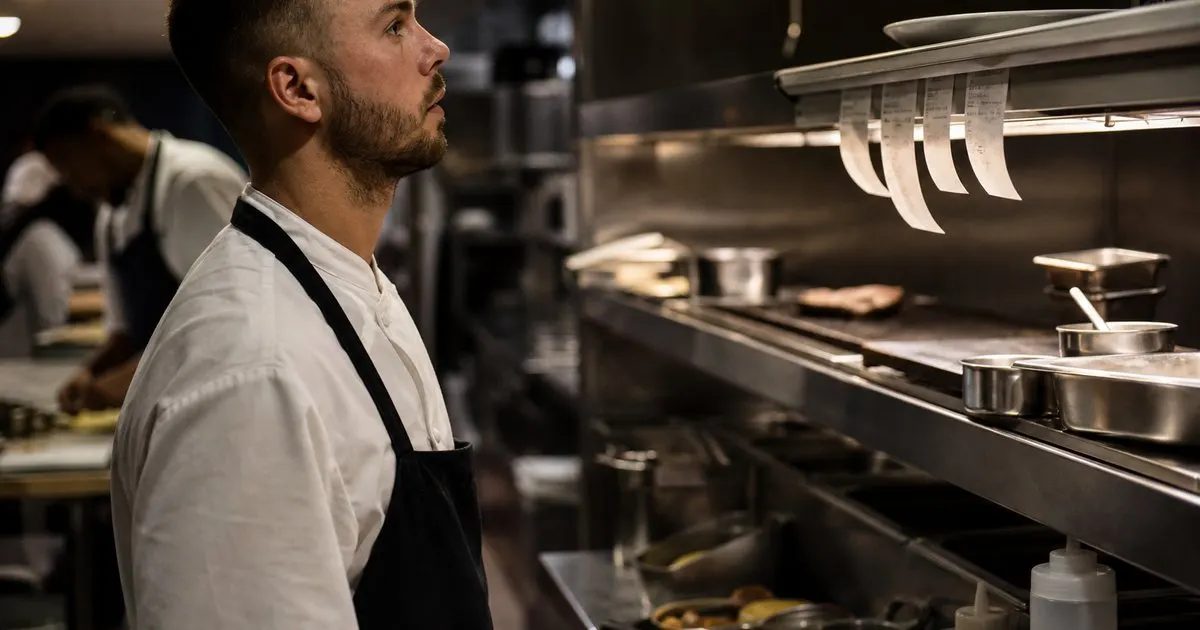
How do you route kitchen tickets to the right stations without chaos?
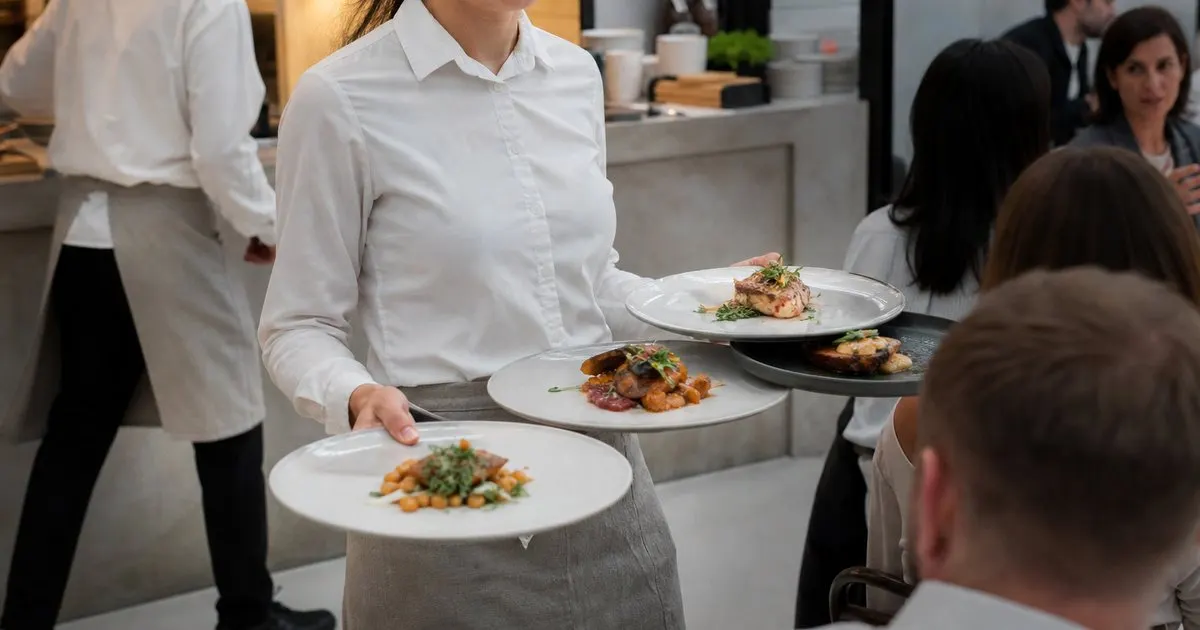
What is the best way to pace courses so a table eats together?
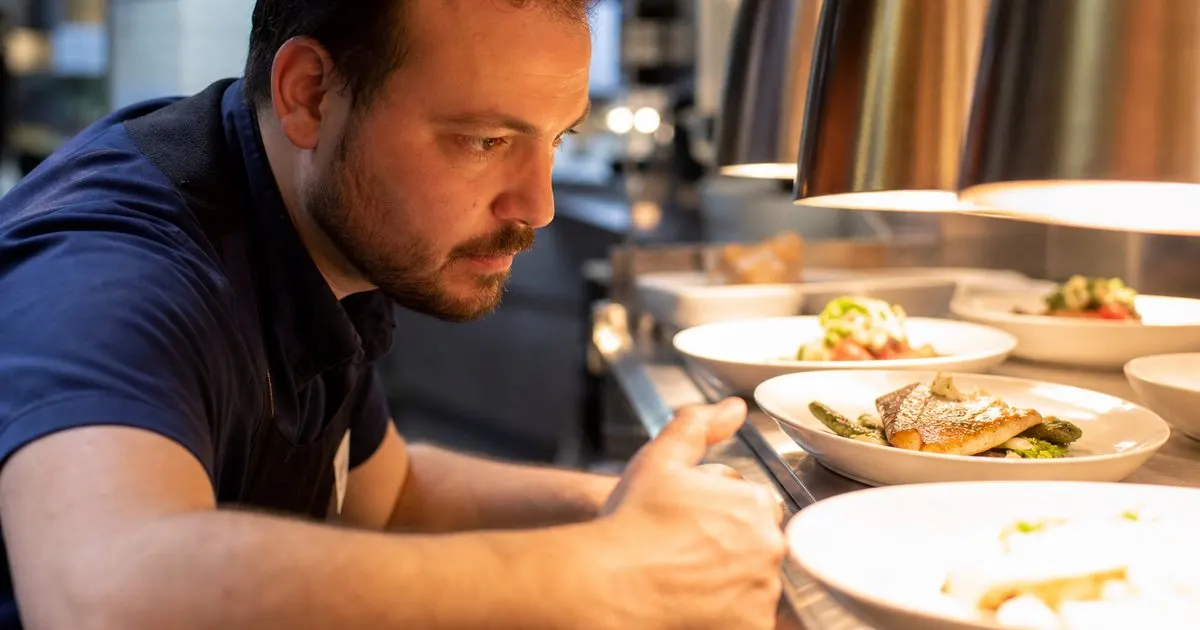
Why does the expo pass fall apart during a busy dinner rush?
Get the PlatePassr playbook
Practical guides on kitchen expo and service, straight to your inbox as we publish them. No spam, unsubscribe any time.