Are ticket times a fair measure of kitchen performance during service?
Understand what ticket times reveal and what they quietly leave out.
Partly. Ticket times capture how long an order sits from fire to finish, a real signal of line speed, especially tracked by station. But they can hide a plate rushed out cold or a course held on purpose. Read them against covers and menu mix, and pair them with quality checks.
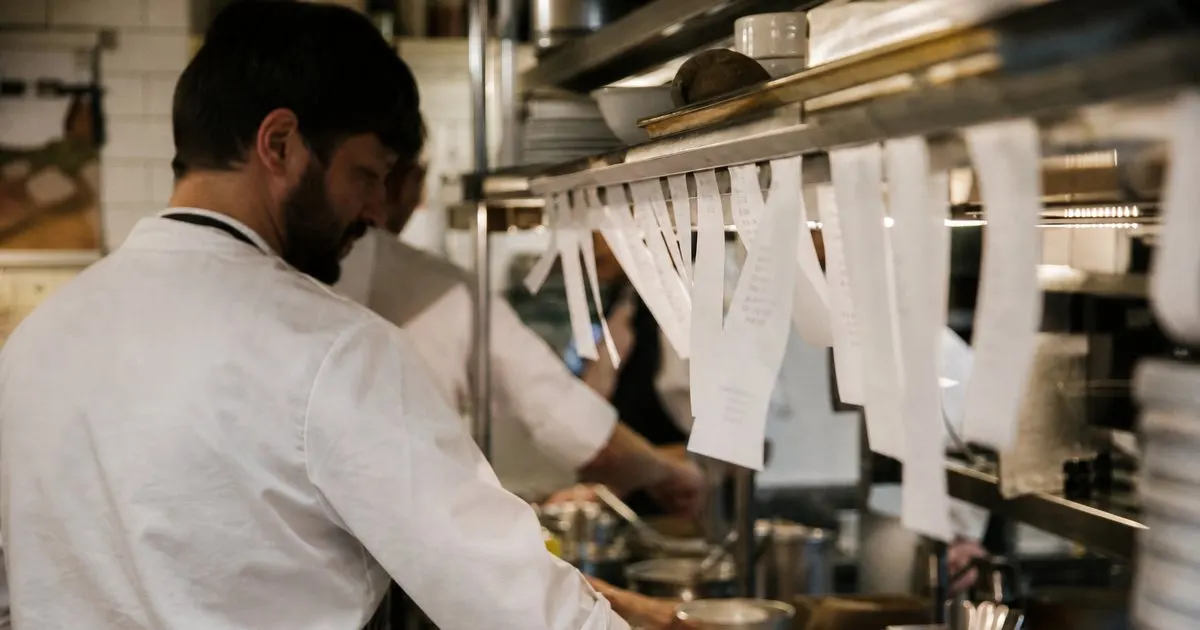
What ticket times measure well
Ticket time captures how long an order sits from fire to finish, which is a real signal of line speed. Rising times often flag a genuine problem. Related: How do you route kitchen tickets to the right stations without chaos?
Tracked by station, they point to where the line slows, which is far more useful than one blended average. Related: What does clean ticket routing look like across a multi-station line?
Keep reading: How do you route kitchen tickets to the right stations without chaos?, What is the best way to pace courses so a table eats together?, Why does the expo pass fall apart during a busy dinner rush?. See how PlatePassr helps you kitchen expo ticket routing and course pacing.
What they can miss
A short ticket time is not always good, because a plate rushed out cold still counts as fast. Speed without quality is a false win.
Pacing also distorts a raw time, since a course held on purpose for the guest looks slow but is actually correct. Related: What is the best way to pace courses so a table eats together?
Read them in context
Ticket times mean the most next to covers, party sizes, and menu mix. A slow night of large parties is not the same as a slow night of two tops. Related: When should the expediter fire the entrees for a large party?
Use the number to ask questions, not to hand out blame, because context usually explains the outlier.
Pair with quality checks
The best kitchens pair timing with quality, watching returns, remakes, and guest feedback alongside the clock. Together they tell the real story.
A metric that ignores the plate is only half a measure, so keep the guest experience in the frame.
- Ticket times reveal line speed and slowdowns
- They can hide rushed or cold plates
- Read them against covers and mix
- Pair timing with quality checks

Julien Jimenez
Julien Jimenez is an independent software builder based in Paris. He designs, ships, and operates focused SaaS products for small businesses and independent professionals. Read the full author page.
Frequently asked questions
Can a short ticket time be a bad sign?
Yes. A plate rushed out cold still counts as fast, so speed without quality is a false win. Deliberate pacing also distorts a raw time, since a course held for the guest looks slow but is actually correct.
What should you track alongside ticket times?
Pair timing with quality signals like returns, remakes, and guest feedback, and read the numbers against covers, party sizes, and menu mix. Context usually explains an outlier, so use ticket times to ask questions, not assign blame.
Send Every Ticket to the Right Station
Kitchen expo ticket routing and course pacing. PlatePassr is built to help you put this into practice.
Start free trialMore from the PlatePassr blog
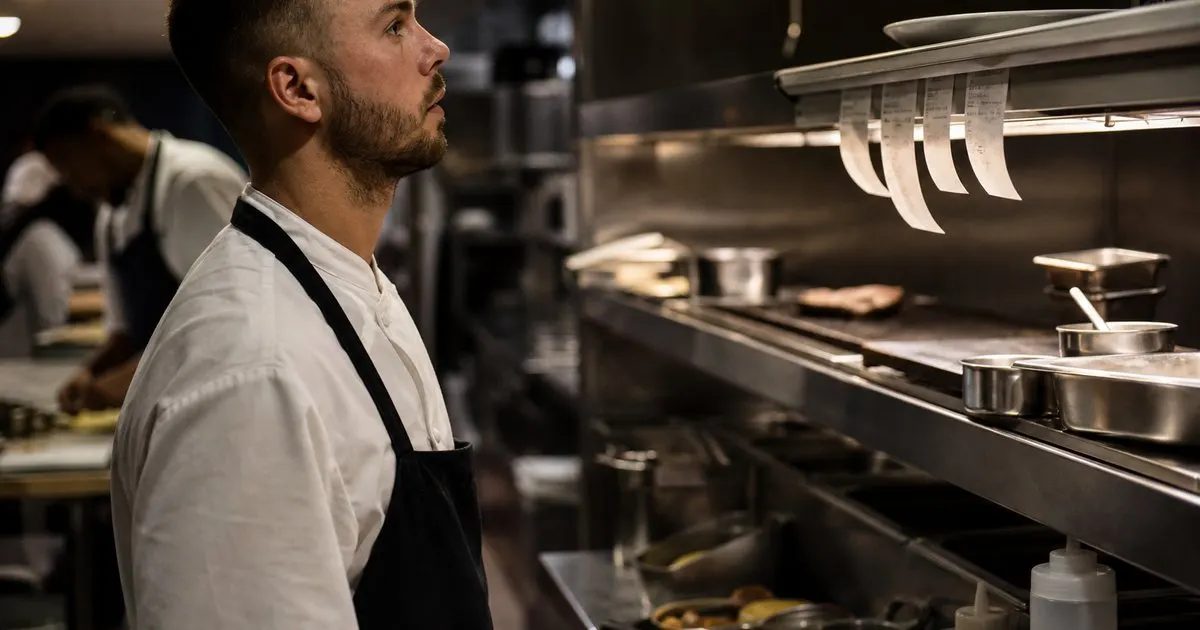
How do you route kitchen tickets to the right stations without chaos?

What is the best way to pace courses so a table eats together?
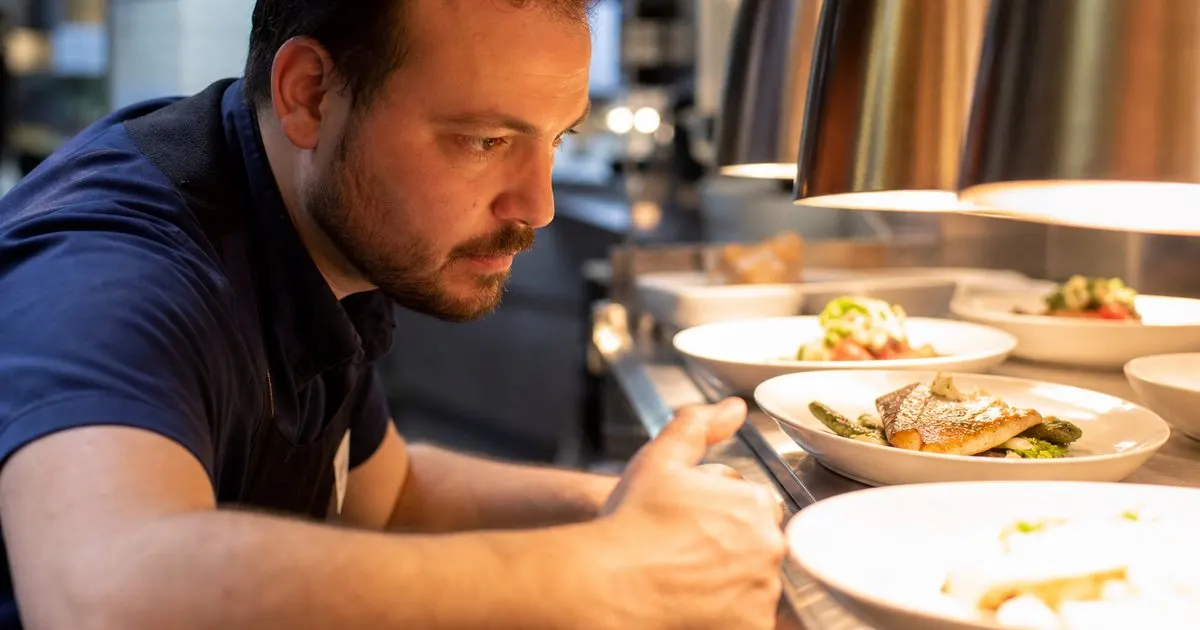
Why does the expo pass fall apart during a busy dinner rush?
Get the PlatePassr playbook
Practical guides on kitchen expo and service, straight to your inbox as we publish them. No spam, unsubscribe any time.