What should an expediter do when a station never saw the ticket?
A missing ticket is a timing emergency, not a blame exercise. Here is the recovery sequence that gets the table back on track and the audit that stops it from recurring.
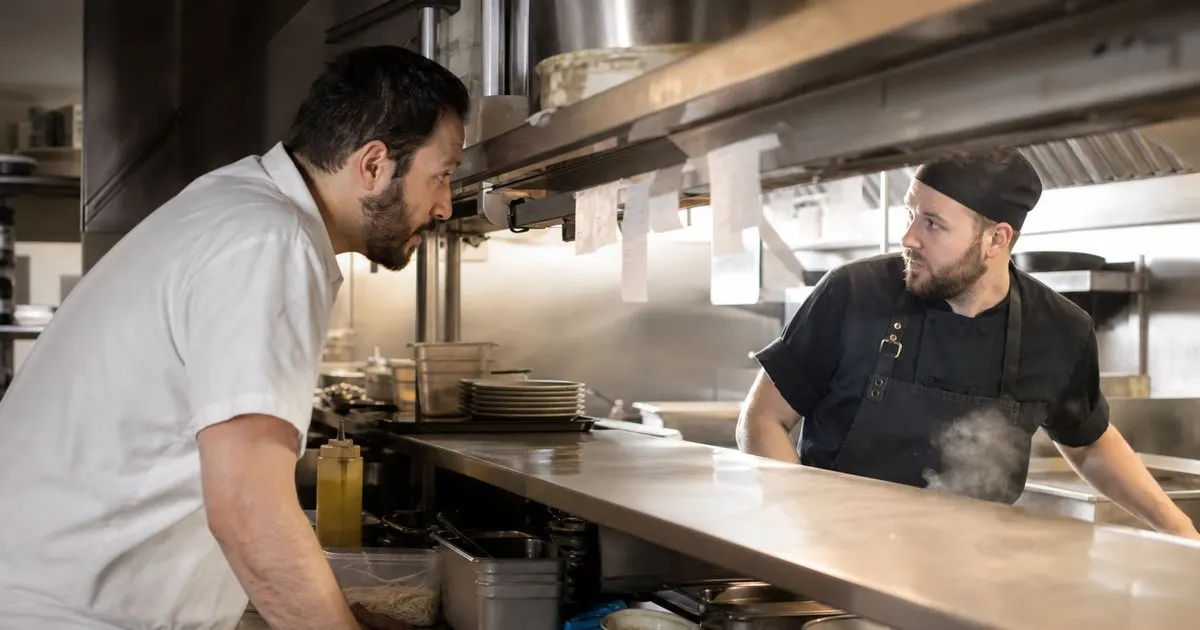
Recognize the missing ticket before the table does
A lost ticket rarely announces itself. What the expo sees is a table where three plates are in the window and the fourth station has nothing working, or a server asking about a table that the pass has no record of. The tell is the gap: the ticket time on the expo copy is well past the station's normal cook time and the station has no plate in progress. A good expo scans the rail or the display every minute or two specifically looking for tickets that are older than they should be with nothing to show for it. Related: Why does the expo pass fall apart during a busy dinner rush?
The most common causes are mundane. The printer jammed or ran out of paper and the ticket queued silently. The ticket printed and fell behind the rail. The item was routed to the wrong station because the menu item was mapped incorrectly when it was added. The cook bumped it by accident on the display. None of these are dramatic, and all of them look the same from the pass: a station that has no idea the item exists. The expo's first job is to notice, and the second is to act without interrogating anyone. Related: Who owns the expo pass and how does that role actually work?
Keep reading: How do you route kitchen tickets to the right stations without chaos?, What is the best way to pace courses so a table eats together?, Why does the expo pass fall apart during a busy dinner rush?. See how PlatePassr helps you kitchen expo ticket routing and course pacing.
The recovery sequence, in order
First, call the item to the station immediately with the full detail, as if the ticket had just printed: item, modifiers, seat, and the word reprint or verbal so the cook knows this is a recovery, not a duplicate. Second, reprint or re-push the ticket so the station has paper or a display entry to work from, because a verbal call under pressure gets forgotten in the next thirty seconds. Third, decide what happens to the plates already in the window. If the missing item is on a quick station, hold the others under the lamp and fire the gap. If it is on a slow station, send what is ready with a server explanation and follow with the late plate.
Fourth, tell the server before the guest asks. The server should hear the honest cook time for the missing item and be able to say something to the table that is true. Fifth, note the ticket on the expo's sheet or in the system with the reason if it is already obvious. That note is the difference between a story about a bad night and a pattern you can fix on Monday. The whole sequence should take under a minute at the pass, and it should feel routine rather than like a crisis, because it will happen again.
Decide what to do with the rest of the table
The hardest judgment call is whether to hold the table or split it. The default in most full-service settings is to hold everything so the table eats together, but holding a seared protein for six minutes under a lamp produces a worse plate than sending it and following with the late item. A practical rule: if the missing item's cook time is under about three minutes, hold and fire. If it is longer, send the plates that are ready, have the server explain, and prioritize the late plate above every other ticket on that station. Related: What is the best way to pace courses so a table eats together?
Whatever you decide, decide it out loud so the line knows. "Holding twenty-one, firing the pasta, two minutes" tells the sauté cook to move it to the front and tells the grill cook not to plate the next table on top of the held plates. Indecision at the pass is what turns one missing ticket into three late tables, because every station is guessing what the expo wants. Speak the plan, then move on to the next ticket while the recovery cooks.
Find the cause after service, not during it
After service, trace the ticket. Check the printer log or the display history to see whether the item ever reached the station. If it did and the cook missed it, the fix is usually rail discipline or display layout: tickets arriving in a position the cook does not look at, or tickets stacking so the oldest is hidden. If it did not reach the station, the fix is a routing map or a hardware problem. Menu items added mid-week are a frequent culprit, because whoever added the item forgot to assign it a station. Related: How do you route kitchen tickets to the right stations without chaos?
Keep a simple tally of missing tickets by cause for a few weeks. Most kitchens find that one or two causes account for nearly all of them, and those are cheap to fix: a paper check added to pre-shift, a routing audit whenever the menu changes, a rule that nobody bumps a ticket they did not cook. Tools that log every ticket's path from entry to bump make this trace take seconds instead of an argument, which is one of the reasons we built that history into PlatePassr, but even a paper notebook at the pass will show you the pattern.
- Scan for tickets that are older than their station's cook time with nothing in progress; that gap is the signal.
- Call the item verbally with full detail, then reprint it so the station has something to work from.
- Hold the table for a short recovery, split it for a long one, and say the plan out loud.
- Trace the ticket's path after service and fix the routing map or the rail habit that lost it.

Julien Jimenez
Julien Jimenez is an independent software builder based in Paris. He designs, ships, and operates focused SaaS products for small businesses and independent professionals. Read the full author page.
Send Every Ticket to the Right Station
Kitchen expo ticket routing and course pacing. PlatePassr is built to help you put this into practice.
Start free trialMore from the PlatePassr blog
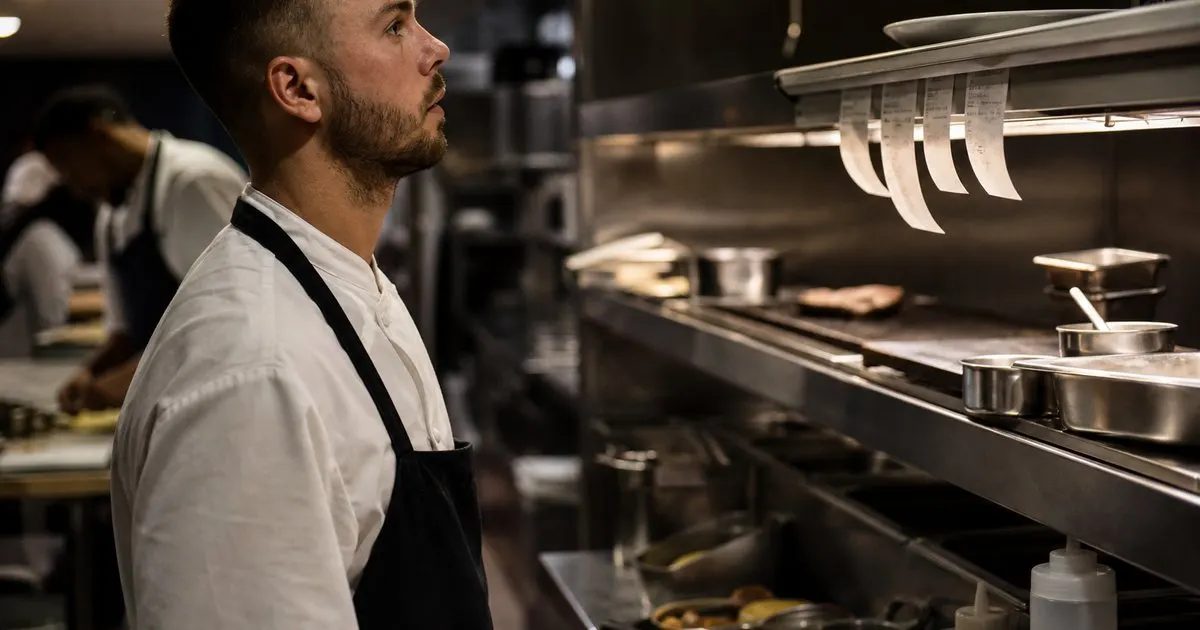
How do you route kitchen tickets to the right stations without chaos?

What is the best way to pace courses so a table eats together?
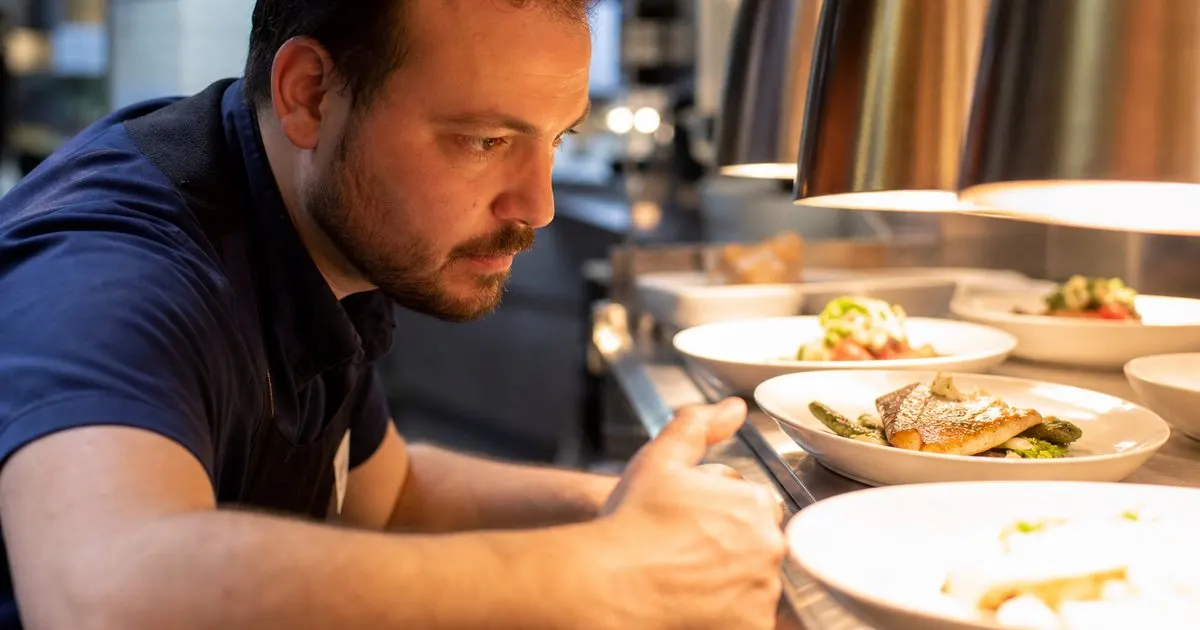
Why does the expo pass fall apart during a busy dinner rush?
Get the PlatePassr playbook
Practical guides on kitchen expo and service, straight to your inbox as we publish them. No spam, unsubscribe any time.