Why does bump discipline on the kitchen display matter more than most cooks think?
A bump is not just clearing the screen. It is the signal every other station and the expo rely on. Here is what sloppy bumping costs and how to fix it.
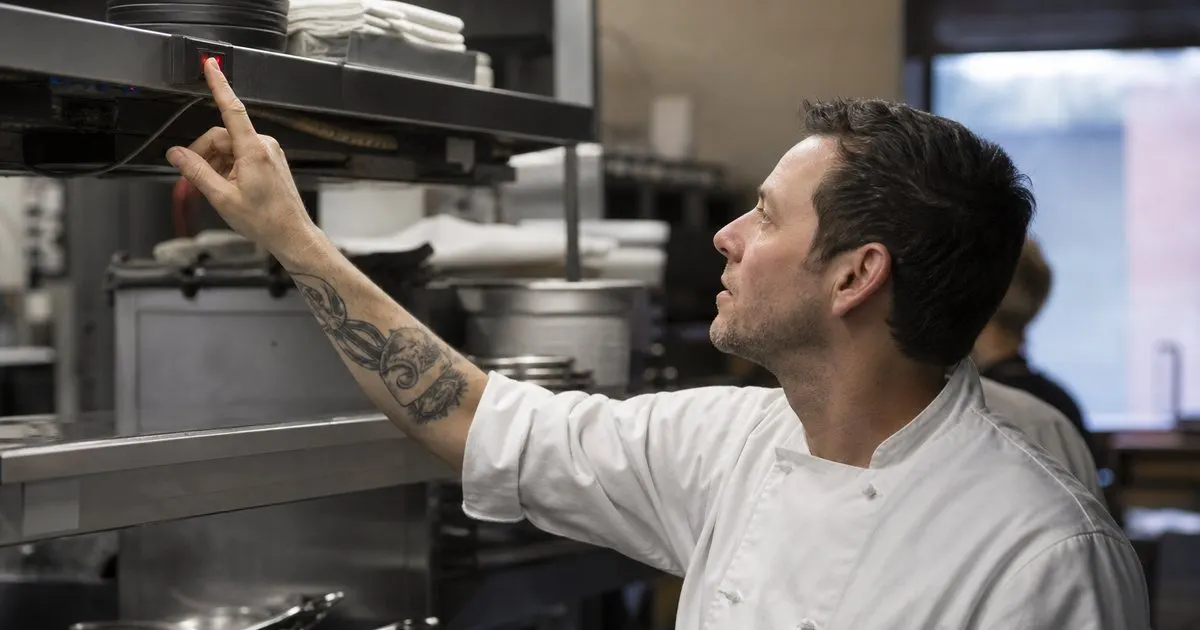
A bump is a message, not a cleanup
On paper tickets, a cook pulls the ticket off the rail when the plate is up. On a kitchen display, the cook bumps it. Cooks tend to treat the bump the same way: a housekeeping step to get the ticket out of the way. But on a display, the bump is the only signal the rest of the kitchen gets. The expo screen shows the item as done, the pacing logic treats the station as free, and any station that was waiting on that item to coordinate its own plating now moves. If the bump happens at the wrong moment, every one of those decisions is made on bad information. Related: How do you route kitchen tickets to the right stations without chaos?
The two common failures are bumping early and bumping late. Early bumping, clearing the ticket when the cook starts plating rather than when the plate is in the window, is the more dangerous one. It tells the expo the plate exists when it does not, and the expo fires the rest of the table against a phantom. Late bumping, leaving finished tickets on the screen because the cook is busy, makes the station look slammed when it is not, so the expo holds fires it should have sent. Both feel harmless to the cook. Neither is. Related: Why does the expo pass fall apart during a busy dinner rush?
Keep reading: How do you route kitchen tickets to the right stations without chaos?, What is the best way to pace courses so a table eats together?, Why does the expo pass fall apart during a busy dinner rush?. See how PlatePassr helps you kitchen expo ticket routing and course pacing.
What early bumping costs at the pass
When a cook bumps early, the expo sees a completed item and calls the runner or fires the next course. Then the plate is not there. The expo now has to figure out whether the ticket was bumped by mistake, whether the plate is coming in ten seconds or two minutes, and whether to hold the table. Meanwhile the station has lost its own reminder, because the ticket is gone, and if the cook gets pulled onto another pan the item can be forgotten entirely. Early bumping is the display-era version of the lost ticket, and it is self-inflicted. Related: What is the best way to pace courses so a table eats together?
It also poisons the data. If the kitchen uses fire-to-bump times to measure station lead times or to see which items are slow, early bumps make every station look faster than it is. The expo then calls tighter fires based on those numbers, and the tables land in pieces. Kitchens that cannot figure out why their ticket times look fine while guests are waiting should look at bump habits first. The numbers are only as honest as the moment the cook presses the button.
What late bumping costs at the stations
Late bumping is usually a sympathy problem. The cook is slammed, the plate went up, and touching the bump bar is one more thing. But a station screen full of finished tickets is unreadable. The cook cannot see what is next, new tickets stack behind old ones, and the expo looking at station load sees a wall of work that is already done. Some pacing systems will slow or hold fires to a station that looks overloaded, which means late bumping can literally starve a station of work while the cook stands there wondering why nothing is coming.
The fix for late bumping is usually physical. If the bump bar is awkward to reach from the plating position, cooks will not use it in the moment. Mount it where the cook's hand naturally is when the plate slides to the window. Make sure it works with wet or gloved hands. Some kitchens assign the bump to the expo for the station nearest the pass, which works if the expo can see the plate land, and fails if the expo is looking the other way. Wherever the bump lives, it should be one motion at the exact moment the plate is up.
Train the rule, then inspect it
The rule is simple to state: bump when the plate is in the window, not before and not after. Put it in the pre-shift lineup for a week, demonstrate it, and explain why: the expo fires against your bump, the pacing reads your bump, and the numbers you are judged on come from your bump. Cooks who understand that the bump is a message to the expo rather than a chore for themselves tend to fix the habit quickly. Cooks who are told to bump faster or bump on time without the reason tend not to.
Then inspect it. A chef or expo watching one station for twenty minutes will see the pattern. On the data side, a station whose fire-to-bump times are consistently shorter than its plates could physically take is bumping early, and a station with a large gap between the plate landing and the bump is bumping late. We built PlatePassr to surface those gaps because we kept seeing kitchens blame the pacing when the input was the problem. However you find it, fix the habit before you trust any number the display gives you. Related: When should the expediter fire the entrees for a large party?
- The bump is the only signal the expo and the other stations get from a display, so its timing is the whole point.
- Early bumps create phantom plates and make every station look faster than it is.
- Late bumps hide the real queue and can cause pacing to hold fires from a station that is actually free.
- Mount the bump bar where the hand already is, state the rule with the reason, and watch for the pattern in the data.

Julien Jimenez
Julien Jimenez is an independent software builder based in Paris. He designs, ships, and operates focused SaaS products for small businesses and independent professionals. Read the full author page.
Send Every Ticket to the Right Station
Kitchen expo ticket routing and course pacing. PlatePassr is built to help you put this into practice.
Start free trialMore from the PlatePassr blog
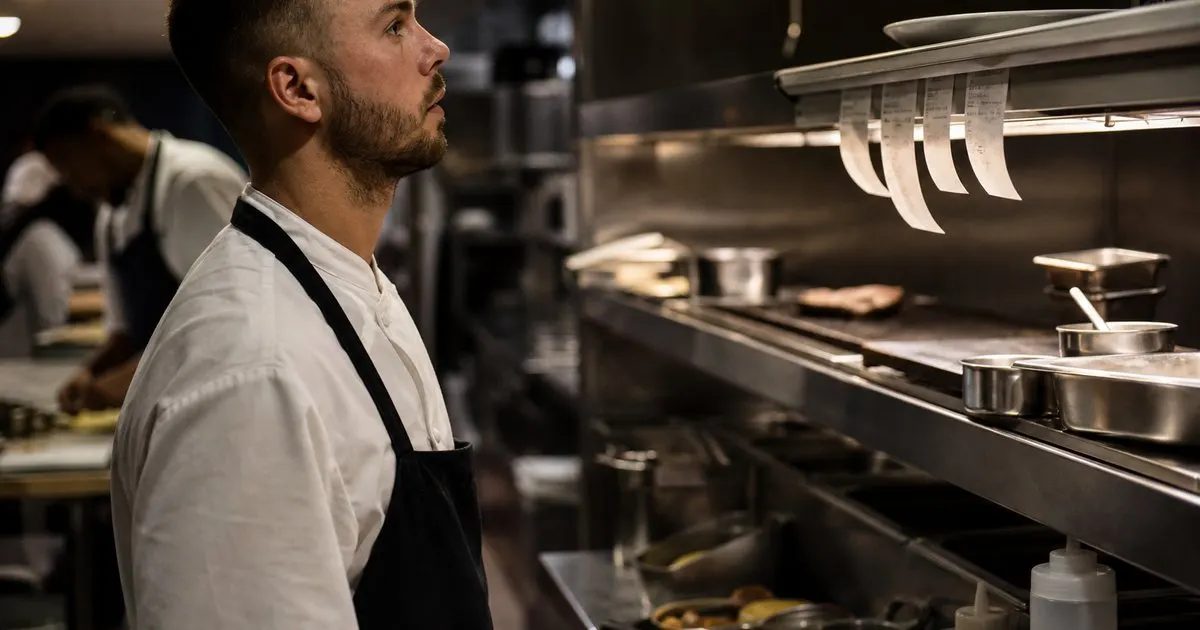
How do you route kitchen tickets to the right stations without chaos?
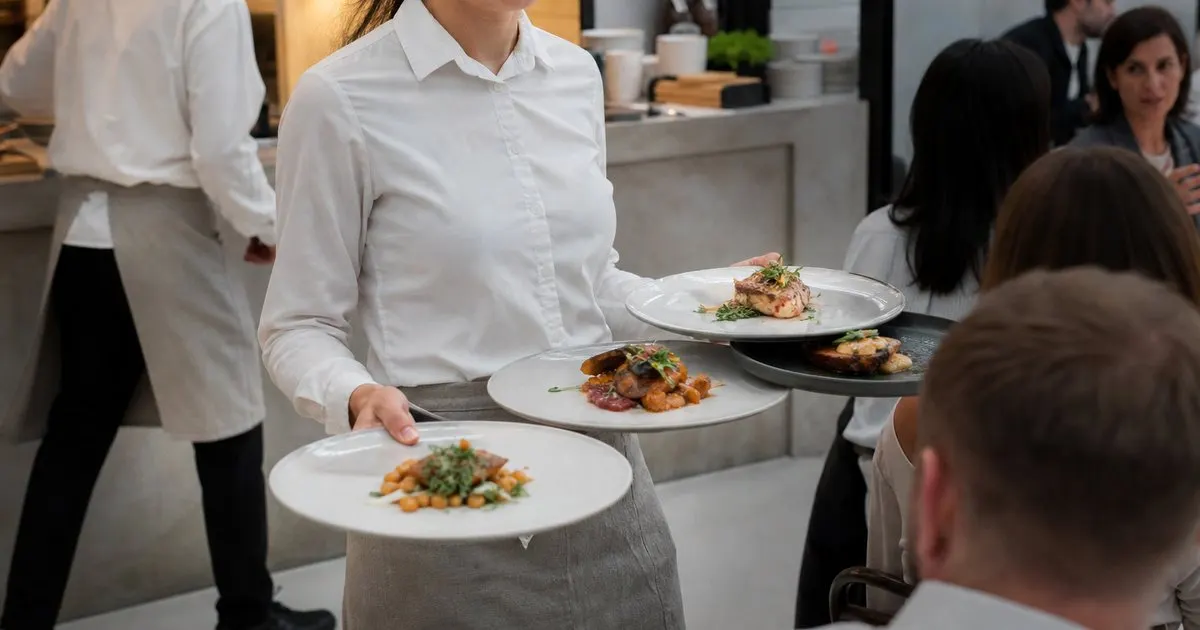
What is the best way to pace courses so a table eats together?
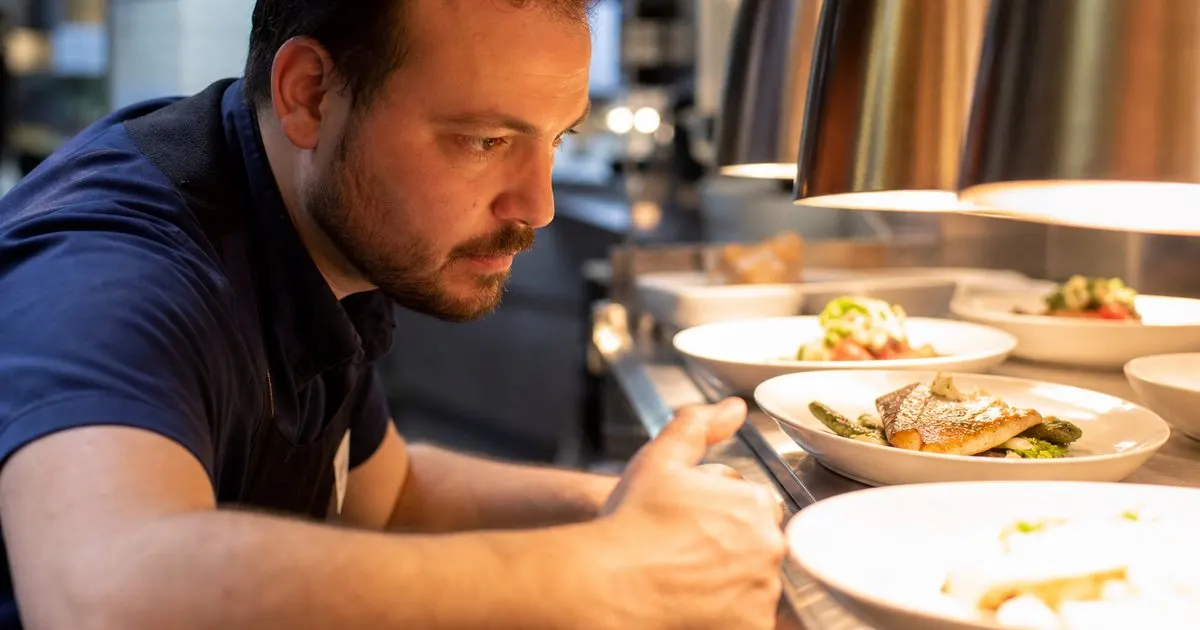
Why does the expo pass fall apart during a busy dinner rush?
Get the PlatePassr playbook
Practical guides on kitchen expo and service, straight to your inbox as we publish them. No spam, unsubscribe any time.